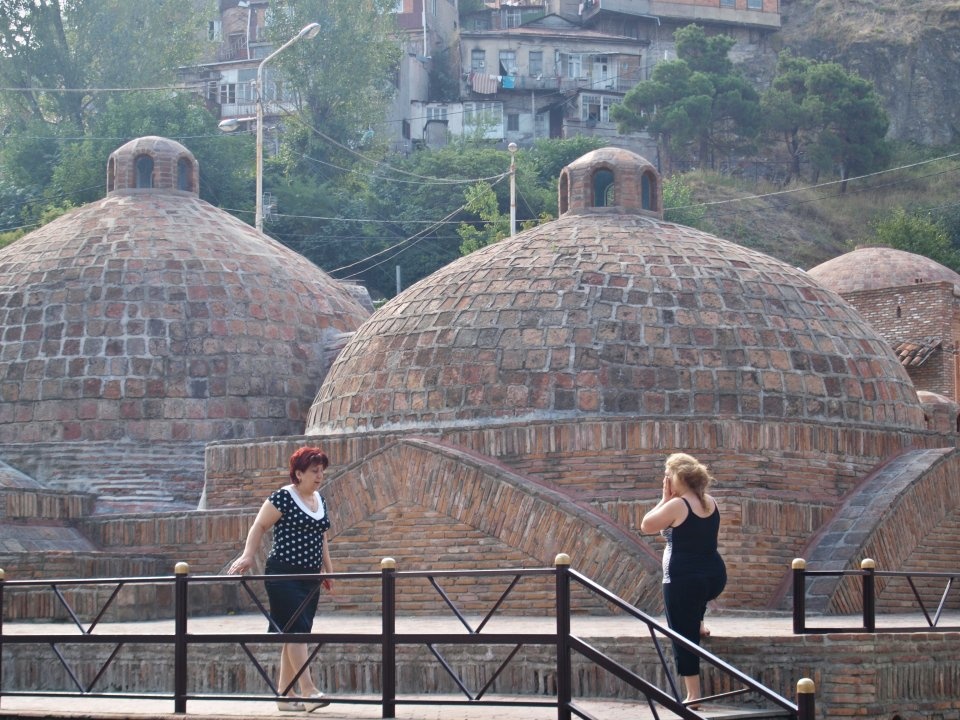
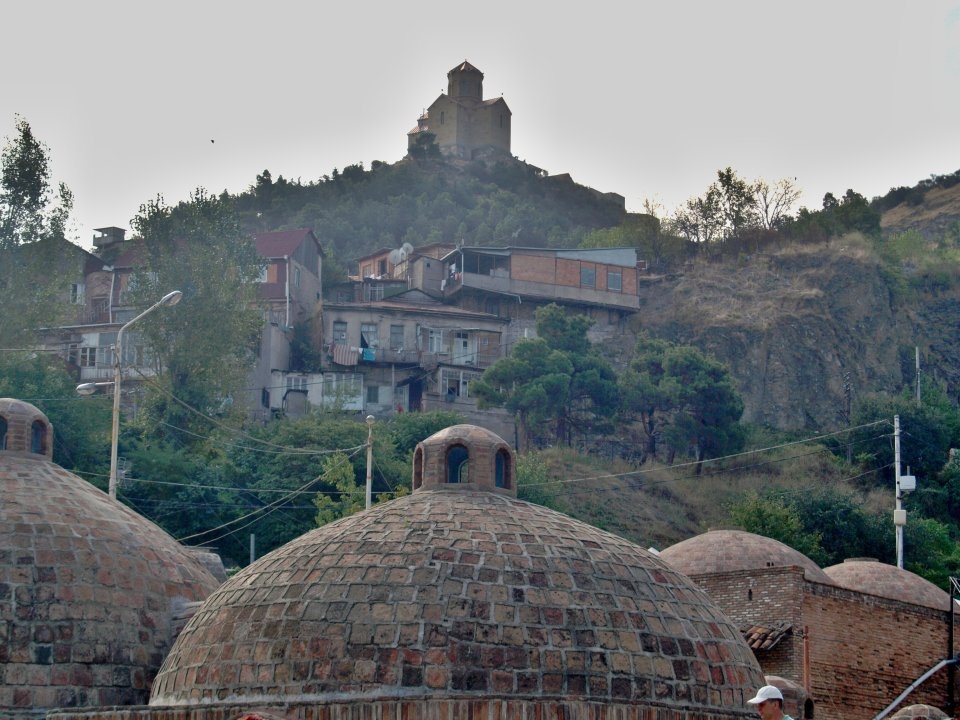
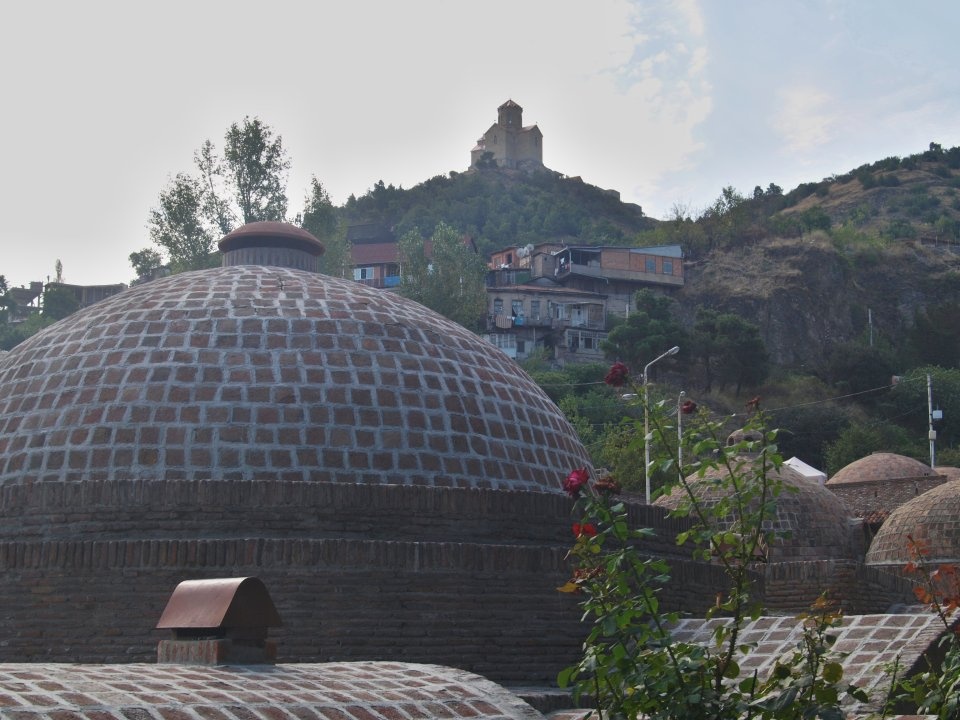
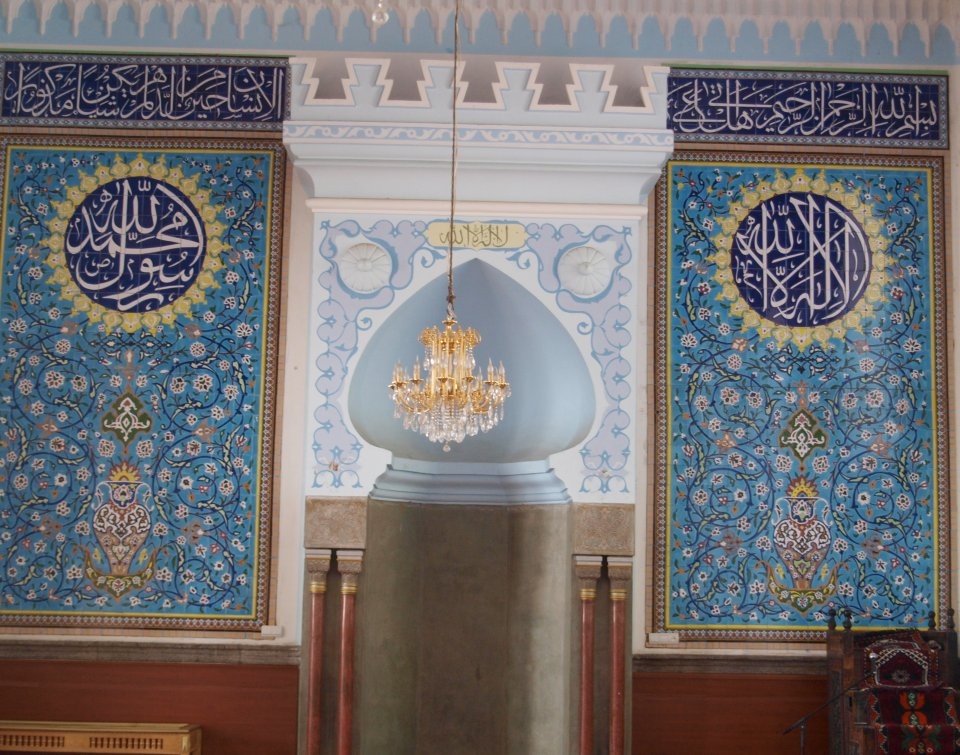
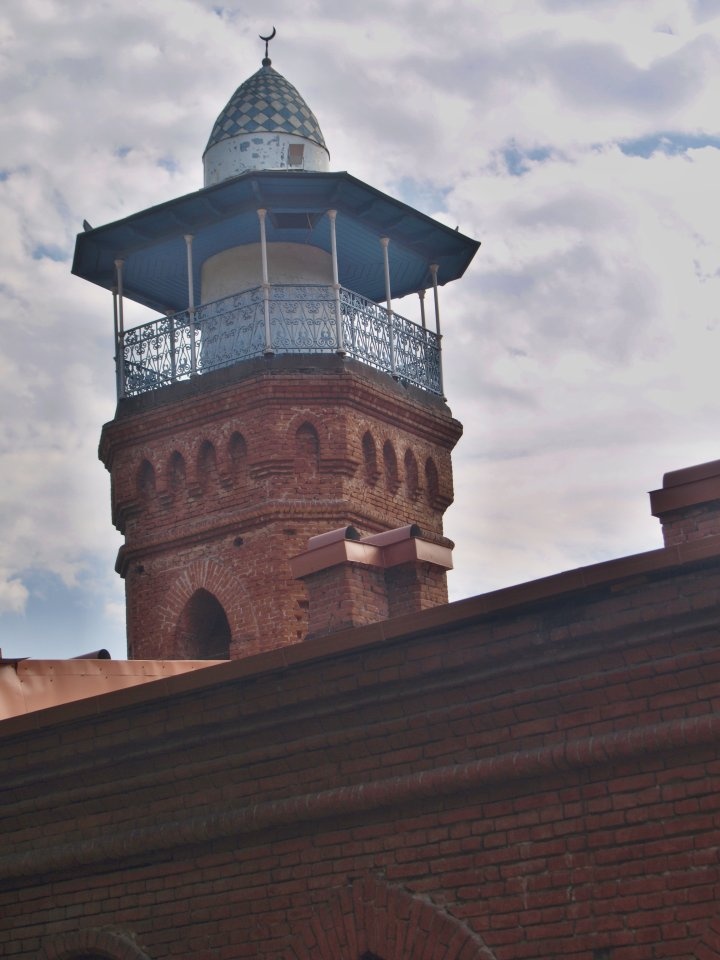
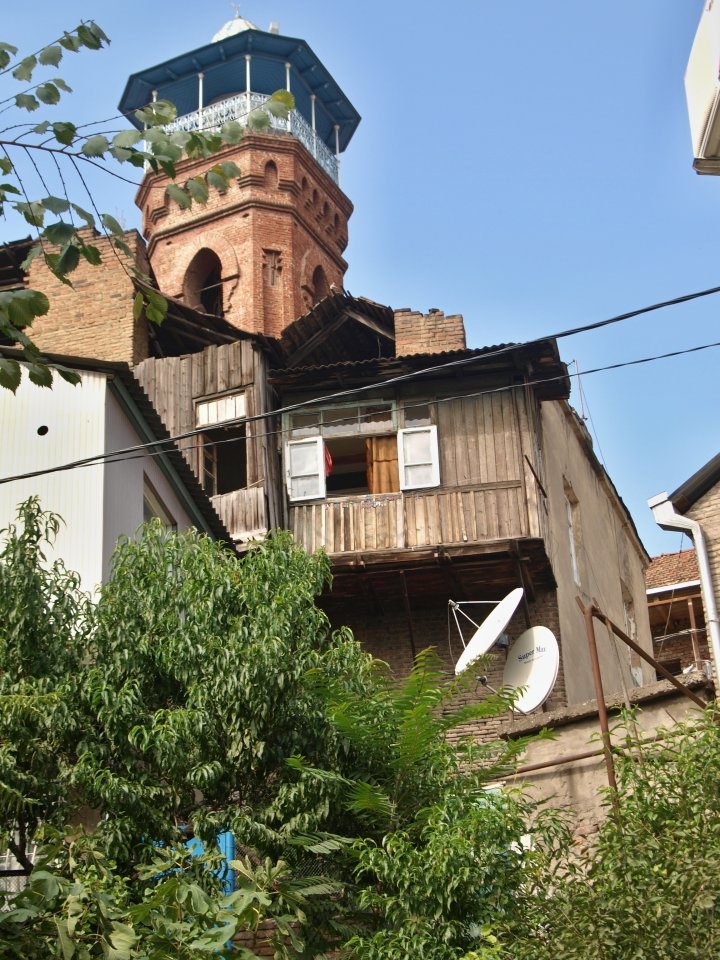
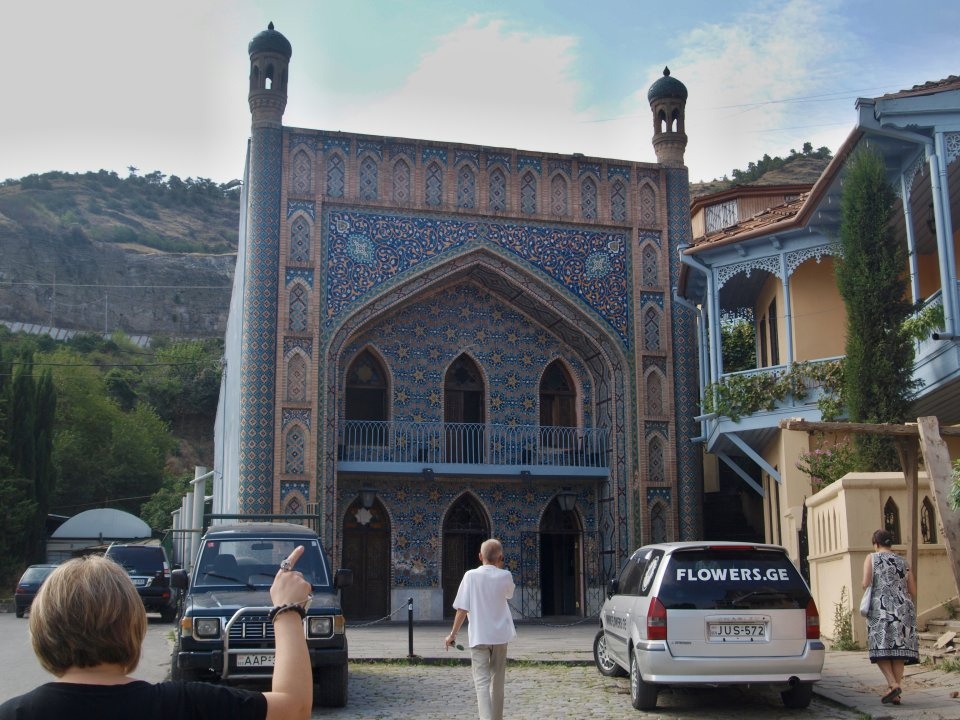
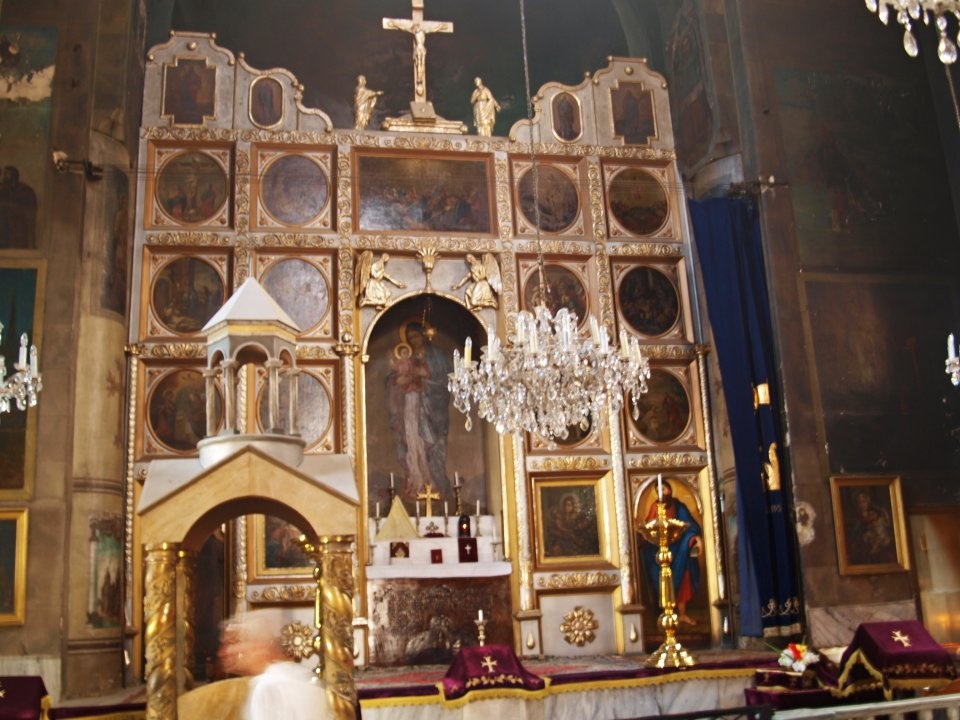
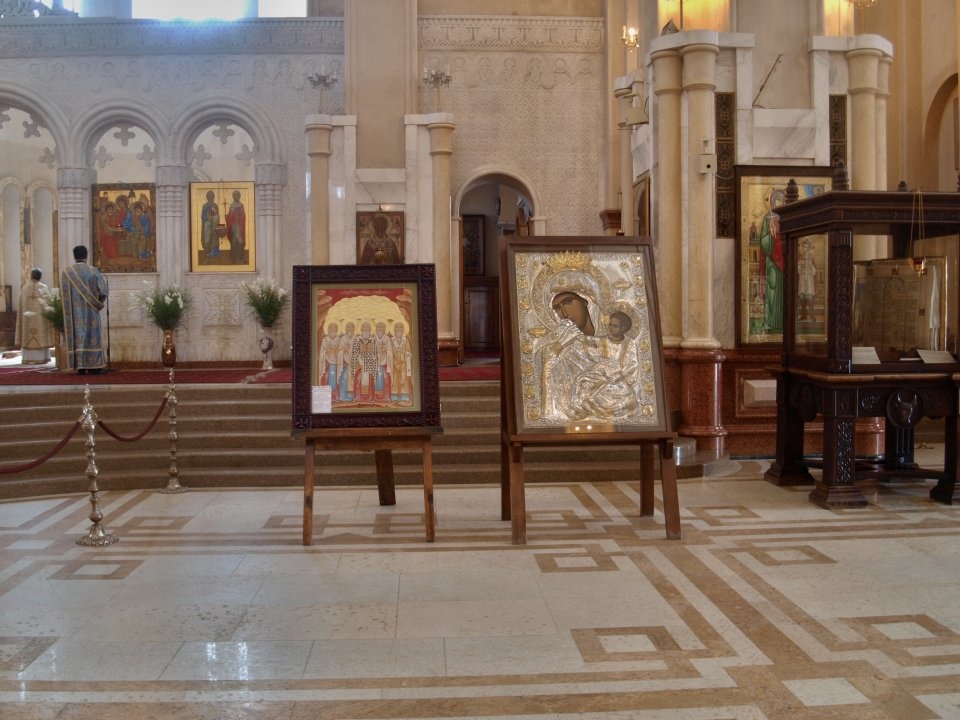
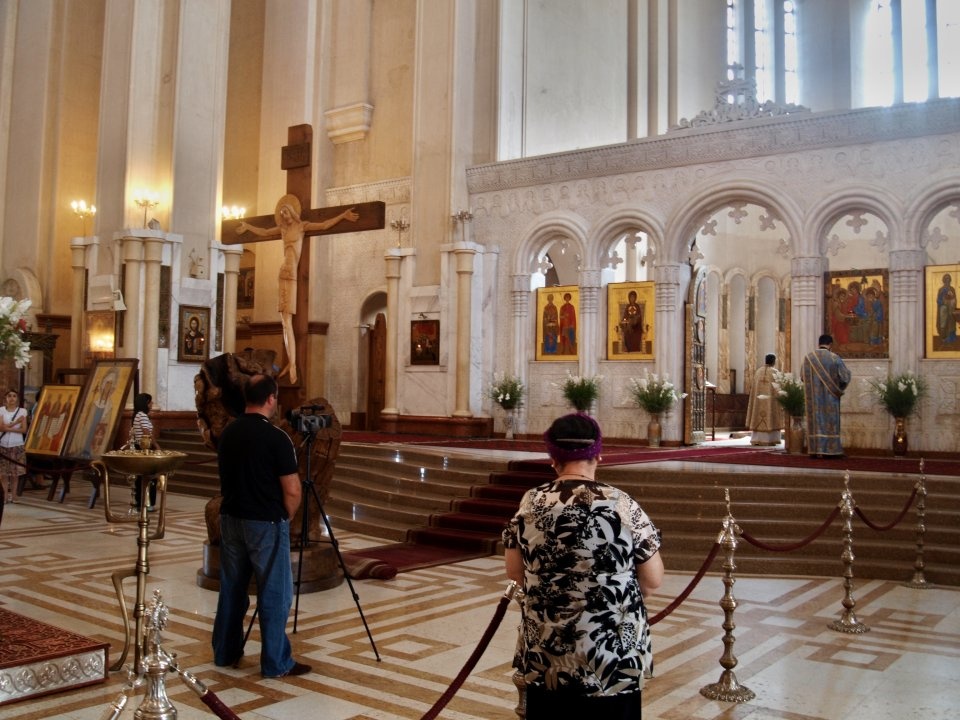
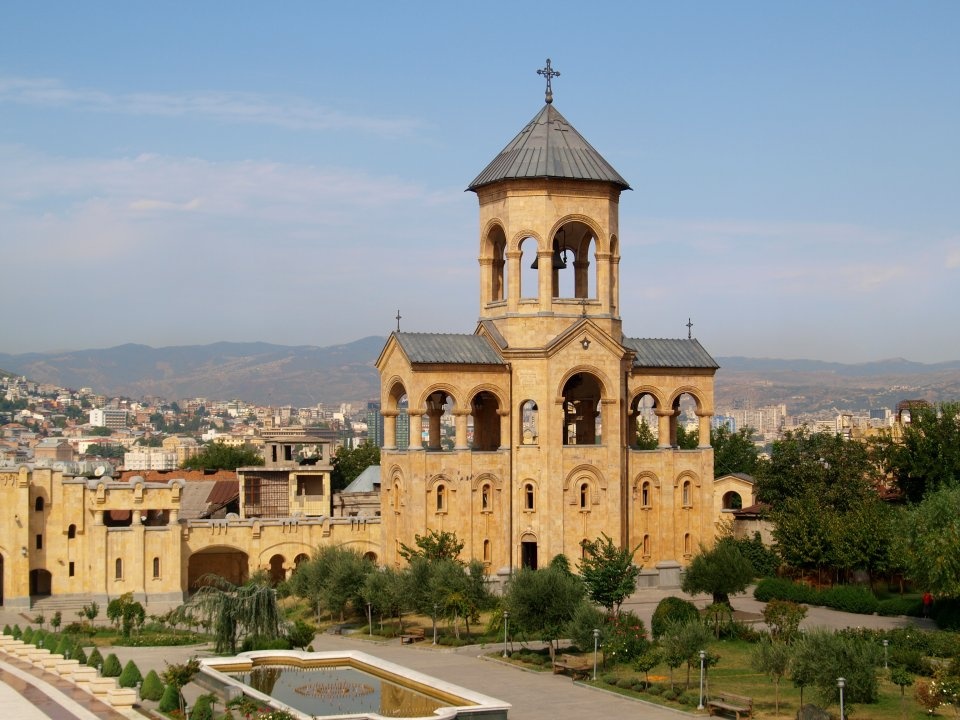
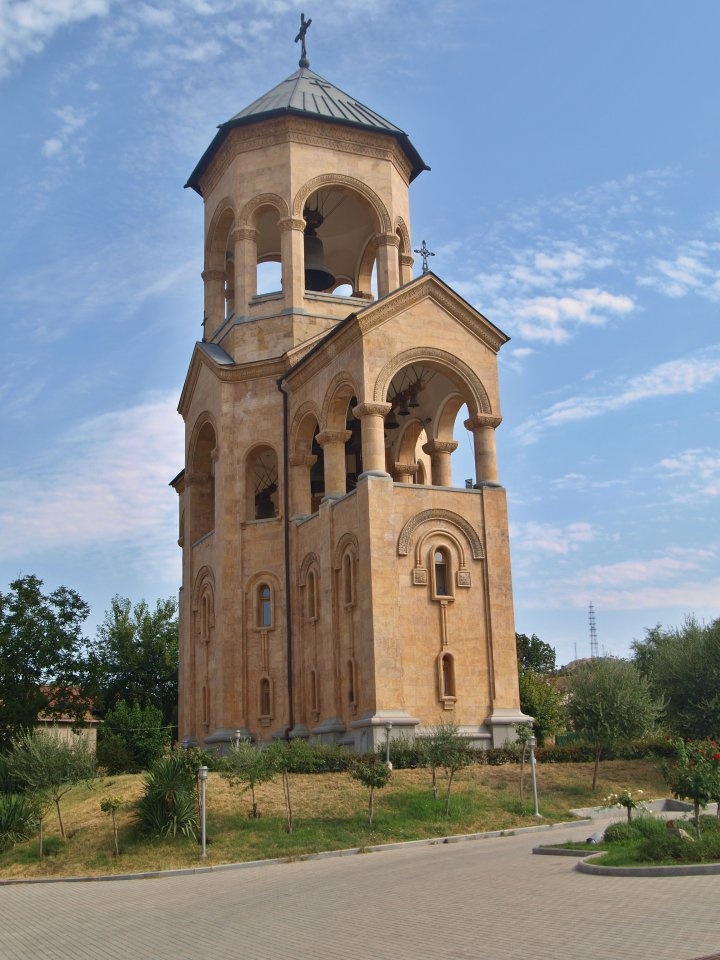
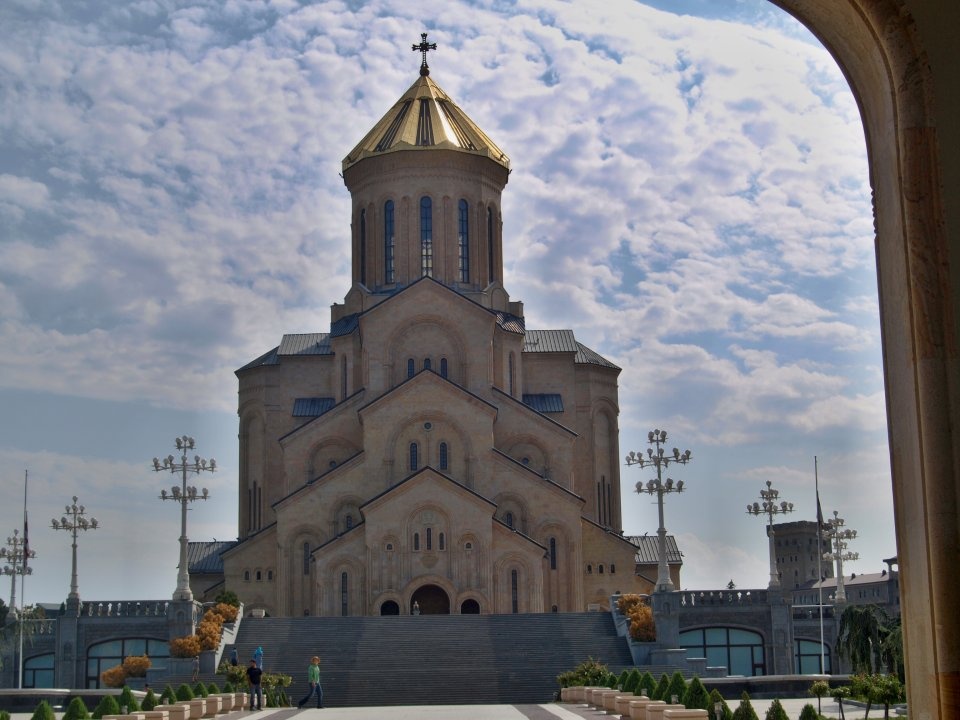
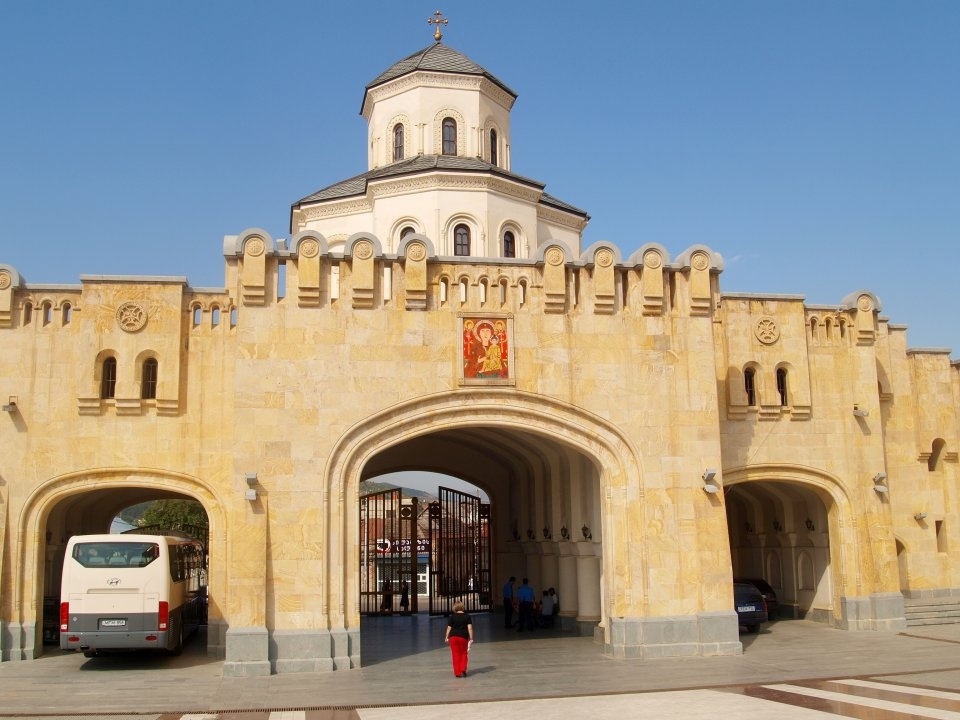
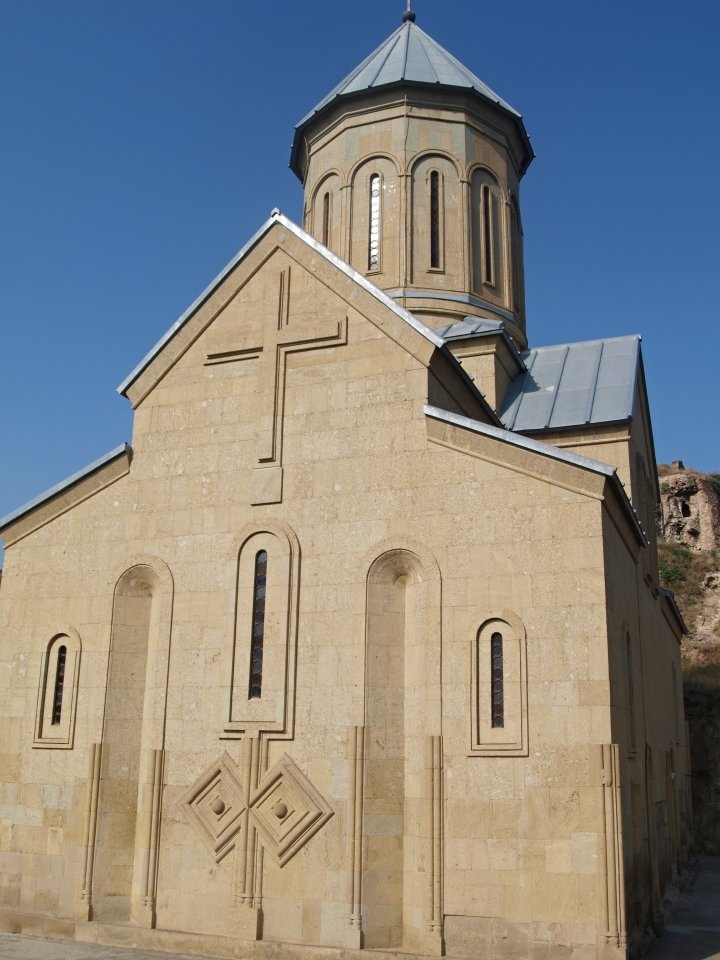
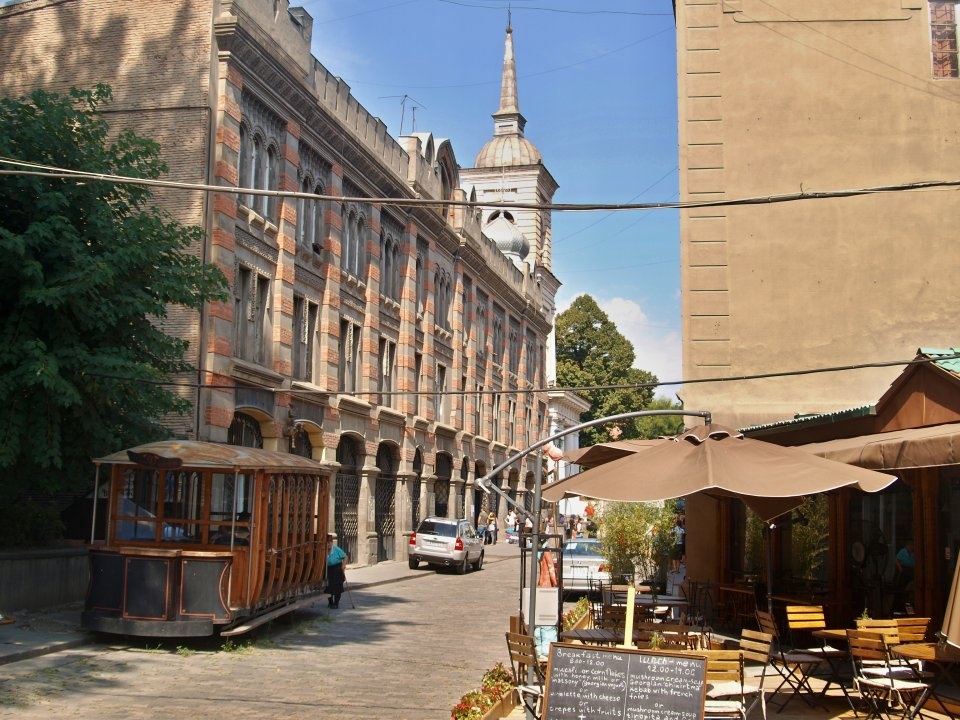
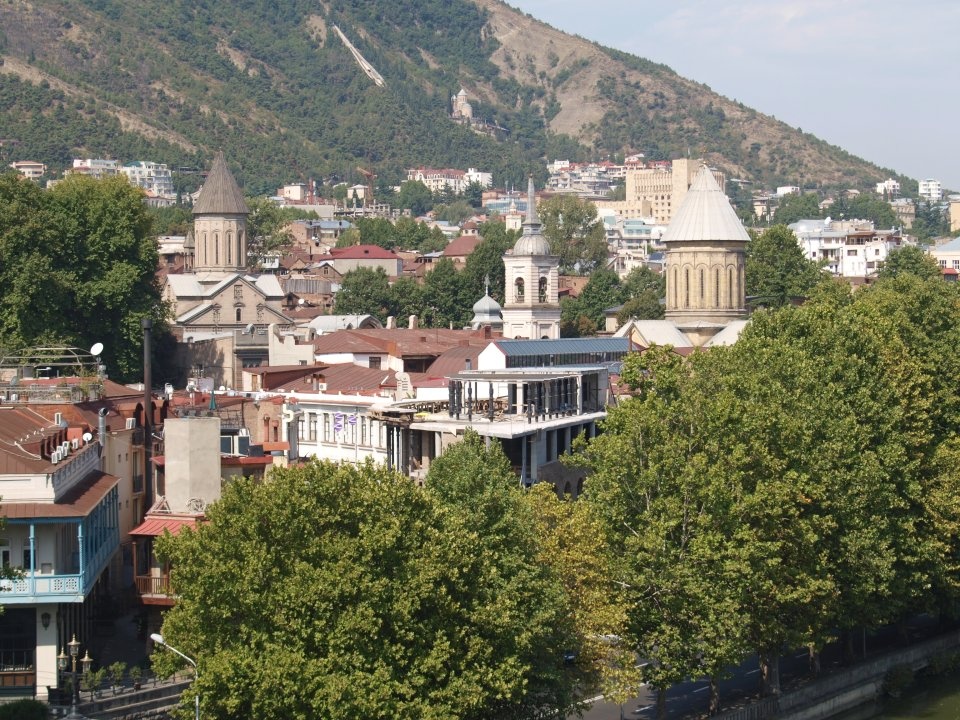
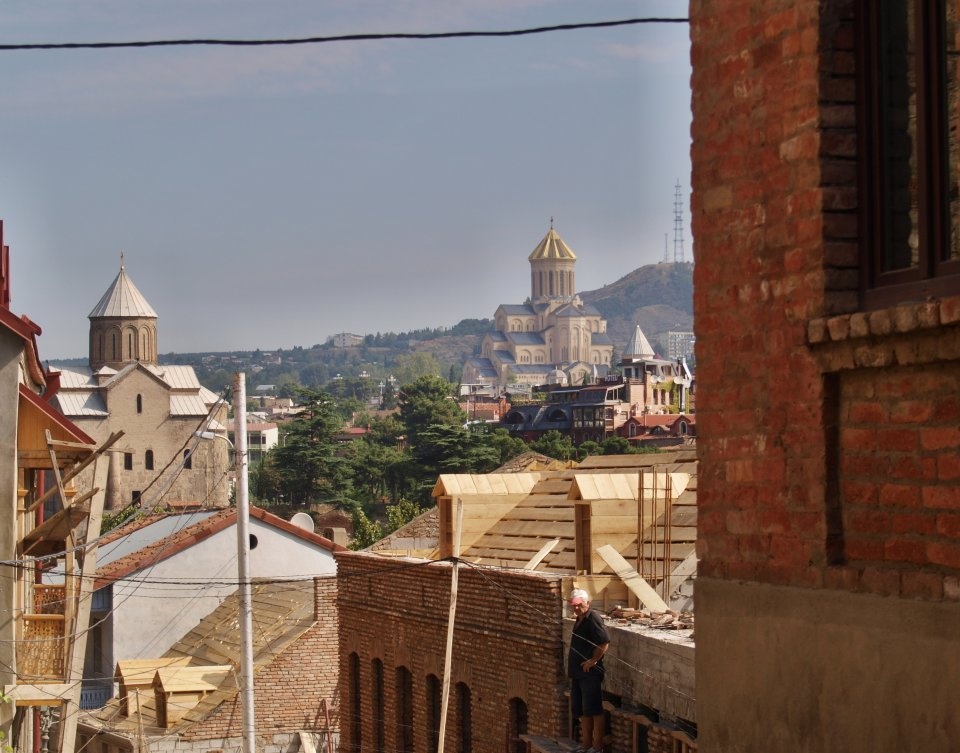
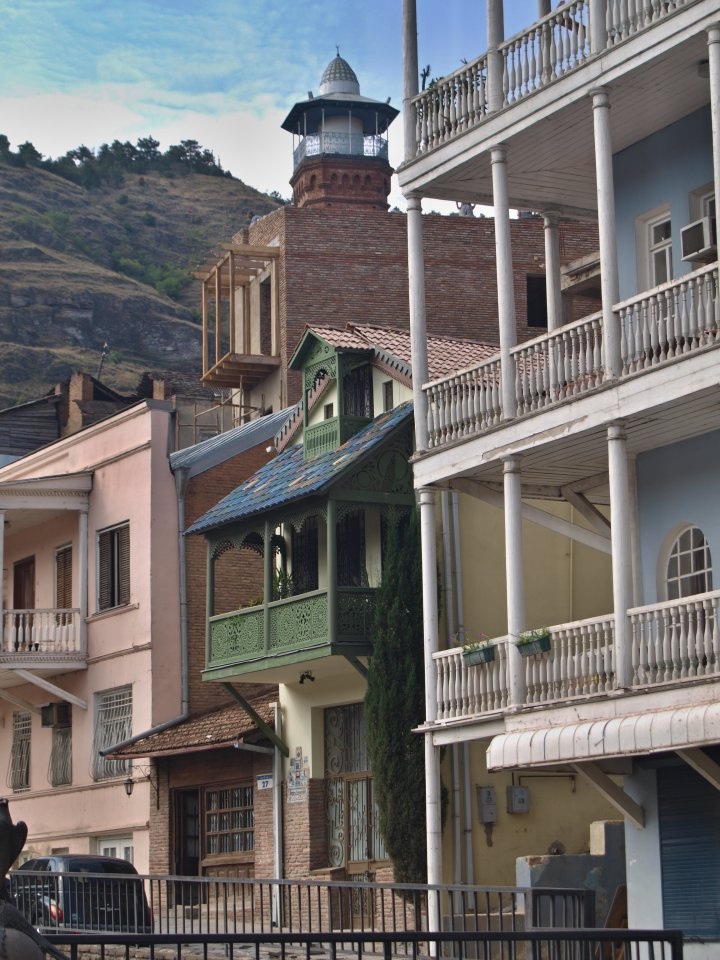
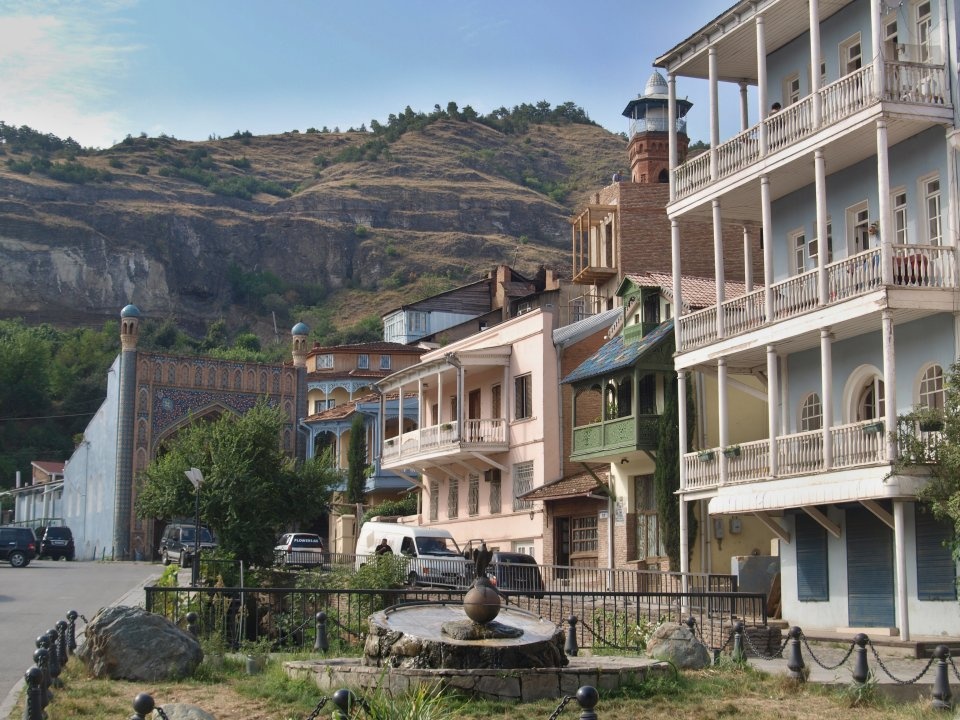
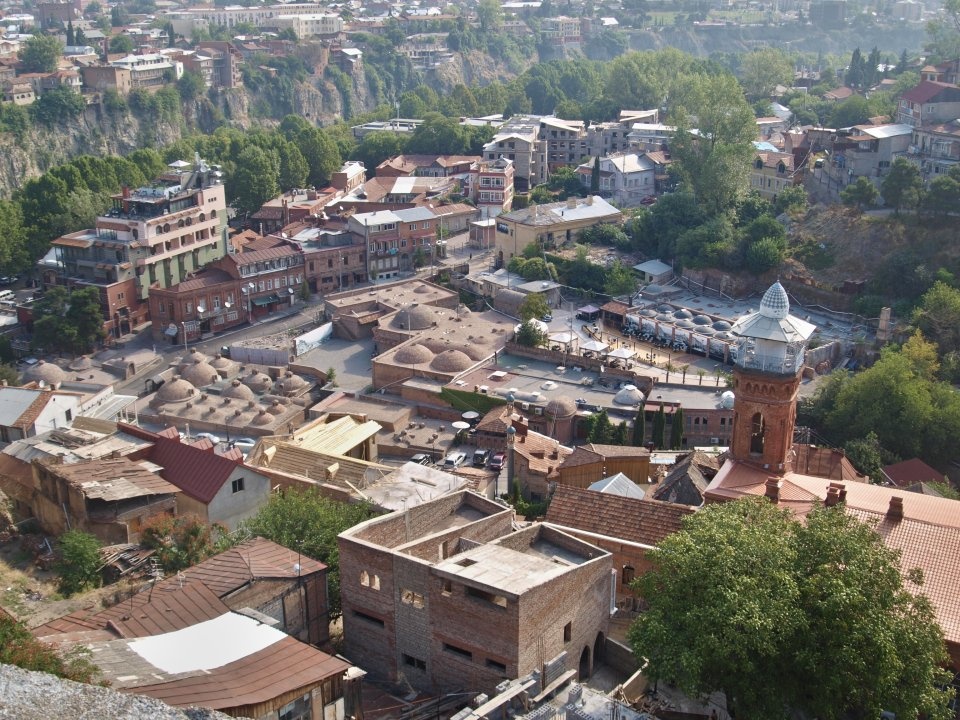
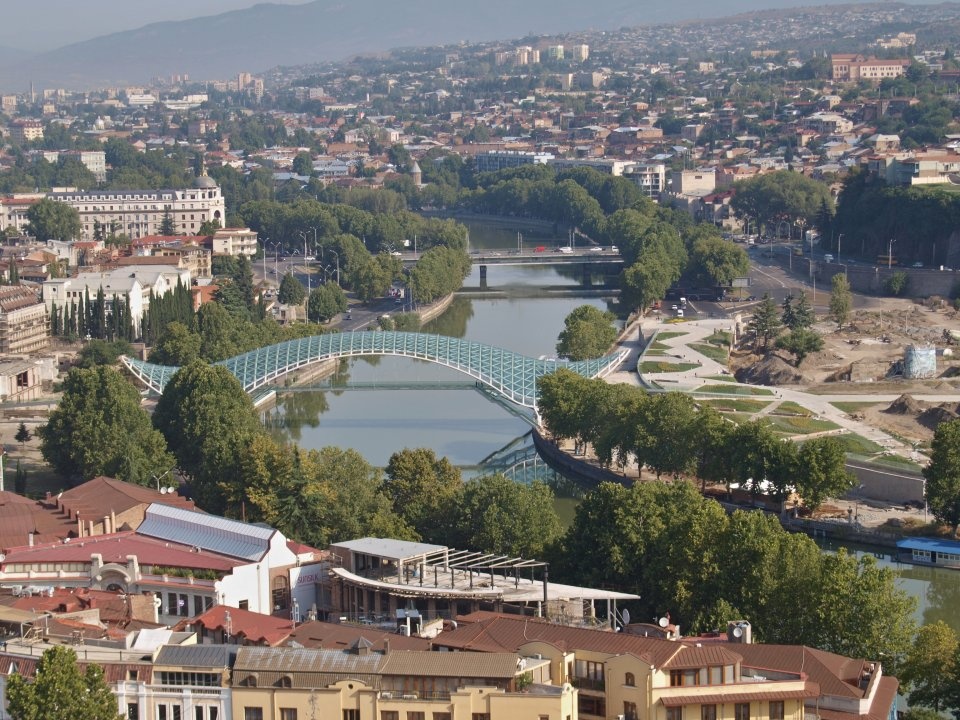
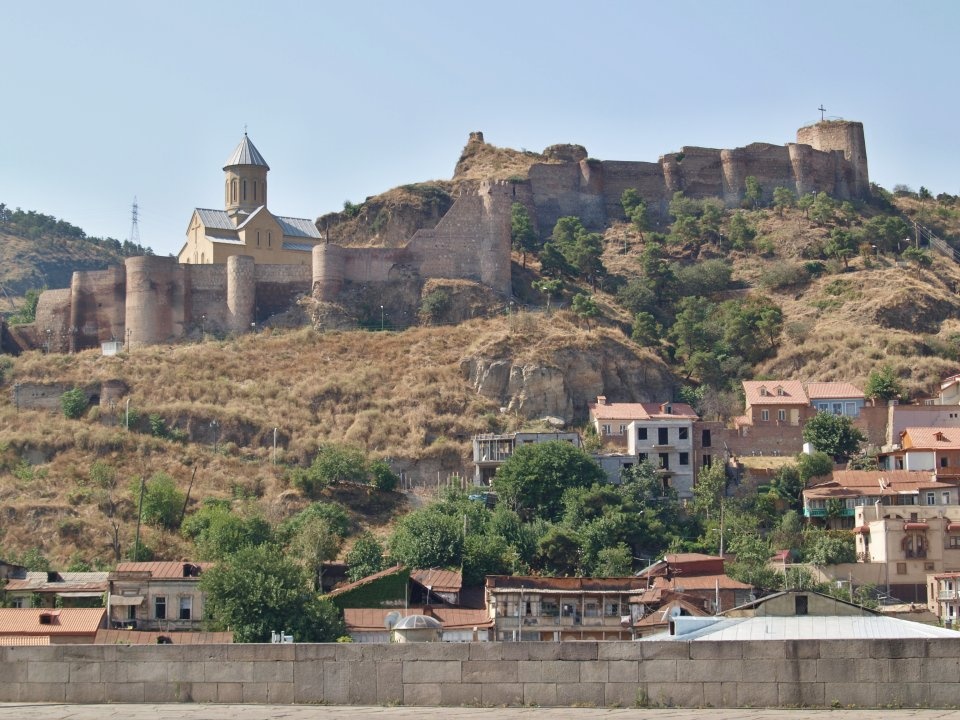
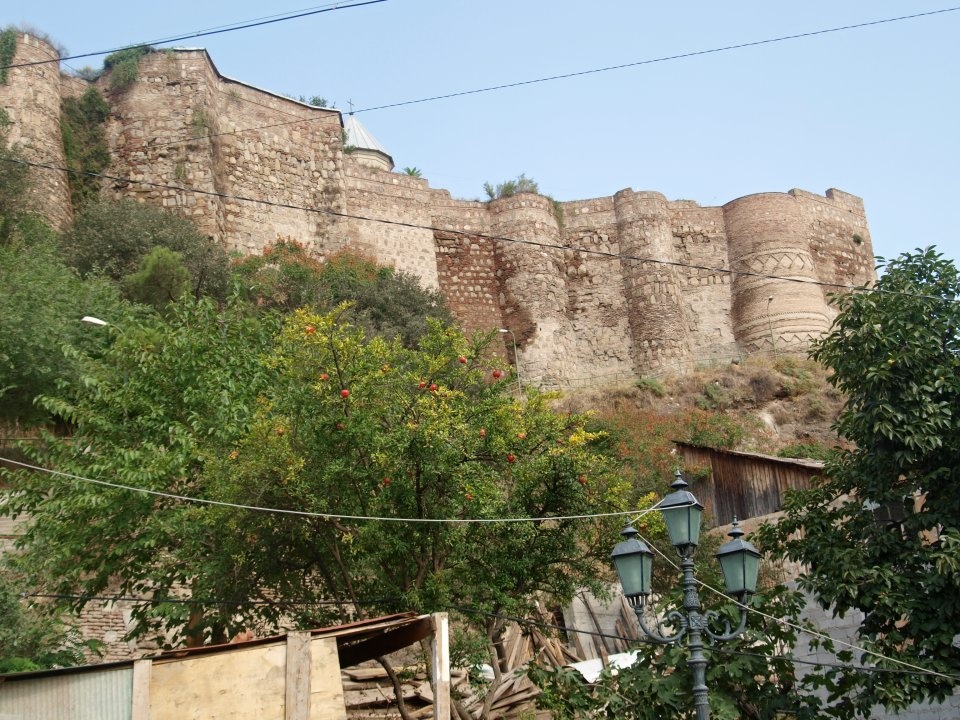
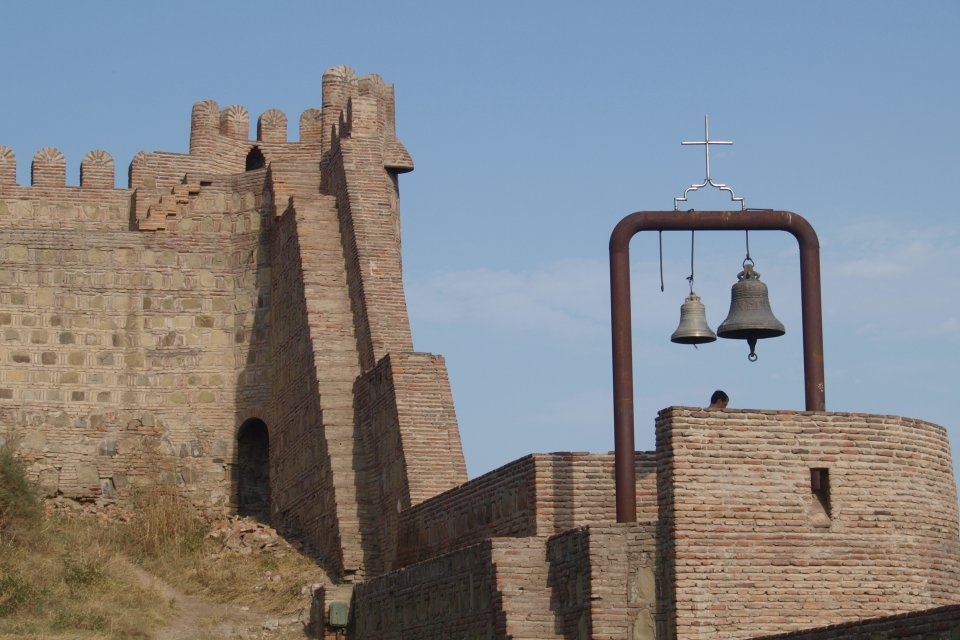
Photogallery of pictures taken during journeys to historical sites of Georgia - city of Tbilisi.
Tbilisi is the capital and the largest city of Georgia, lying on the banks of the Kura River with a population of roughly 1.5 million inhabitants. It was founded in the 5th century on the site of natural hot springs, and has since served, with intermissions, as the capital of various Georgian kingdoms and republics. Located on the crossroads of Europe and Asia, due to its proximity to lucrative east-west trade routes.
According to an old legend, the present-day territory of Tbilisi was covered by forests as late as 458. One widely accepted variant of the legend of Tbilisi's founding states that King Vakhtang I Gorgasali of Georgia went hunting in the heavily wooded region with a falcon. The King's falcon allegedly caught or injured a pheasant during the hunt, after which both birds fell into a nearby hot spring and died from burns. King Vakhtang became so impressed with the hot springs that he decided to cut down the forest and build a city on the location. The name Tbilisi derives from Old Georgian T'pilisi (literally, "warm location") was therefore given to the city because of the area's numerous sulphuric hot springs that came out of the ground. Archaeological studies of the region have indicated human settlement in the territory of Tbilisi as early as the 4th millennium BC.
King Dachi I Ujarmeli, who was the successor of Vakhtang I Gorgasali, moved the capital from Mtskheta to Tbilisi according to the will left by his father. Tbilisi was not the capital of a unified Georgian state at that time and did not include the territory of Colchis. It was, however, the capital city of Eastern Georgia/Iberia. During his reign, King Dachi I oversaw the construction of the fortress wall that lined the city's new boundaries. From the 6th century, Tbilisi grew at a steady pace due to the region's favourable and strategic location which placed the city along important trade and travel routes between Europe and Asia.
Located strategically in the heart of the Caucasus between Europe and Asia, Tbilisi became an object of rivalry between the region's various powers such as the Roman Empire, Parthia, Sassanid Persia, Arabs, Byzantine Empire, and the Seljuk Turks.
Tbilisi is located in the South Caucasus at 41° 43' North Latitude and 44° 47' East Longitude on both banks of the Kura River. The elevation of the city ranges from 380–770 metres above sea level and has the shape of an amphitheatre surrounded by mountains on three sides. To the north, Tbilisi is bounded by the Saguramo Range, to the east and south-east by the Iori Plain, to the south and west by various endings (sub-ranges) of the Trialeti Range.
If you have any questions to joureys to the city of Tbilisi or any comment to a photogallery use the information form attached below.