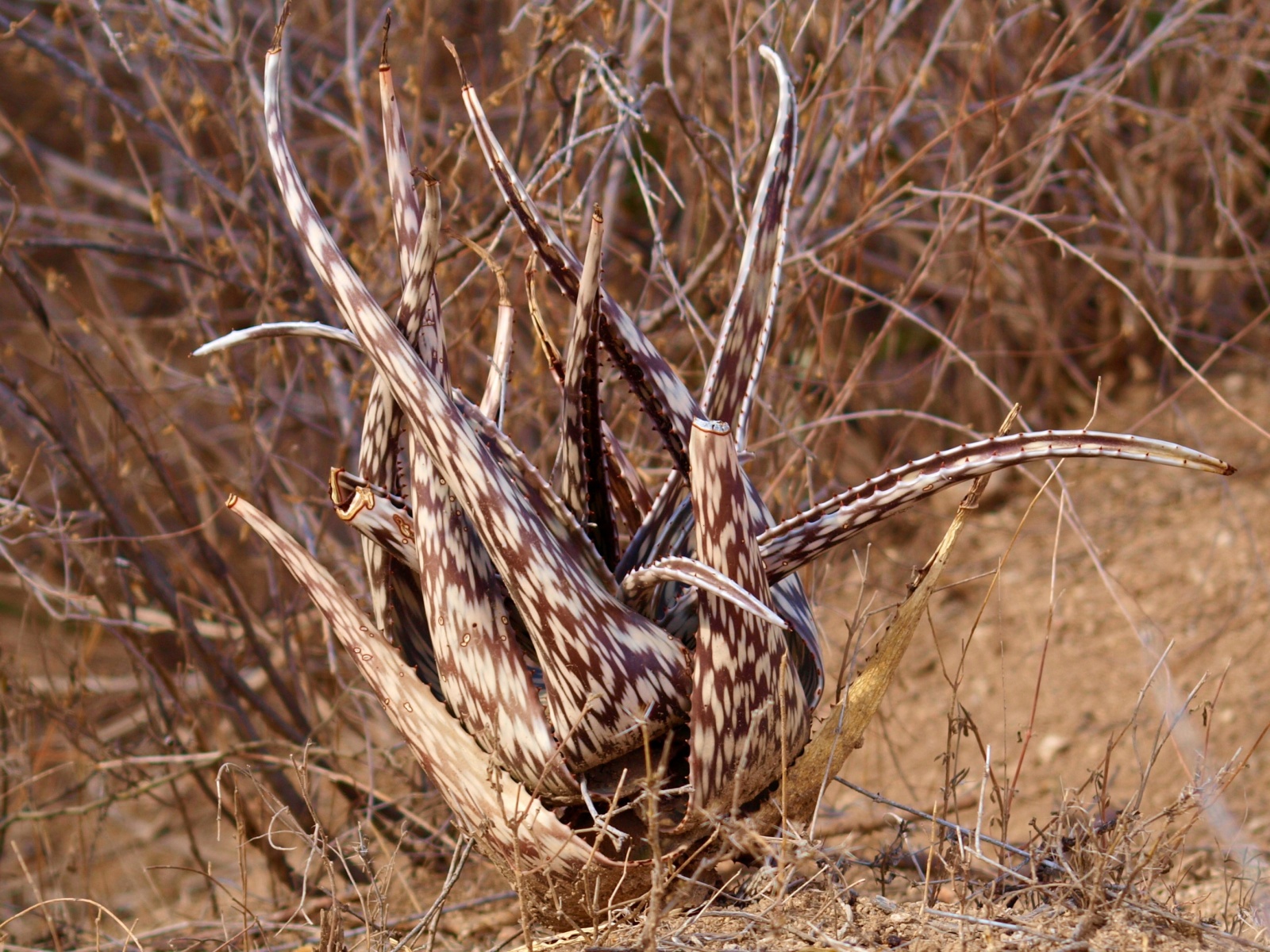
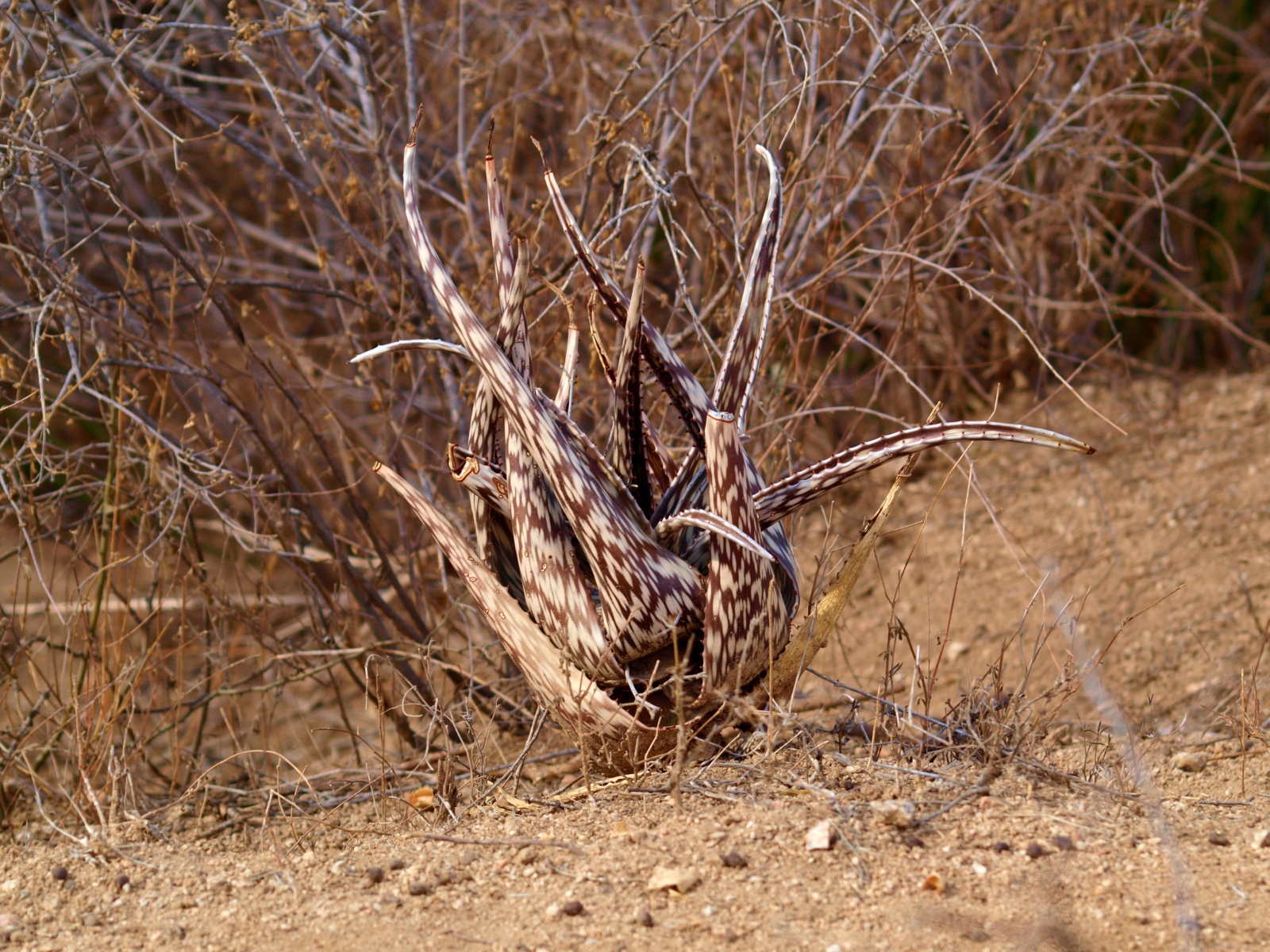
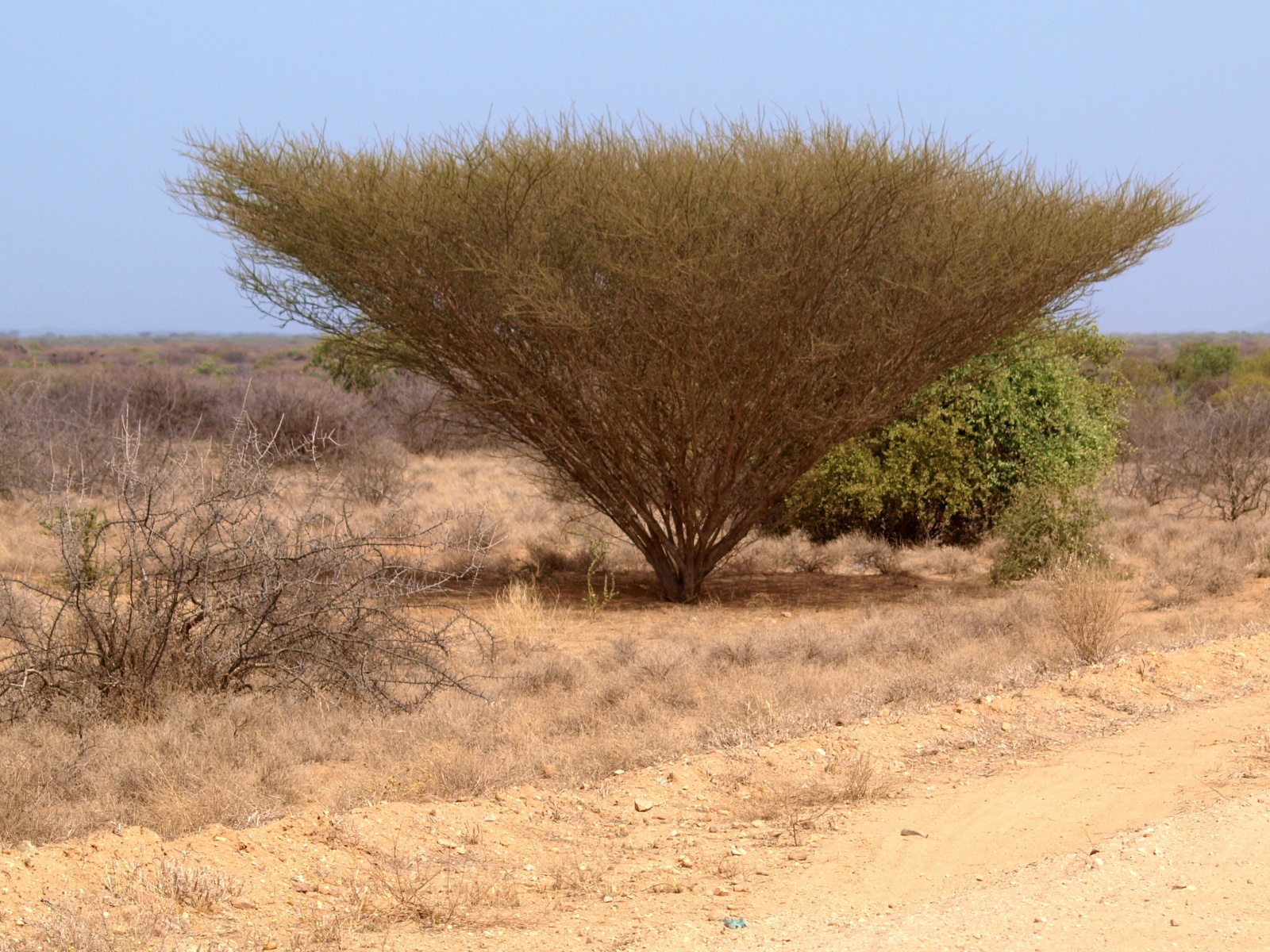
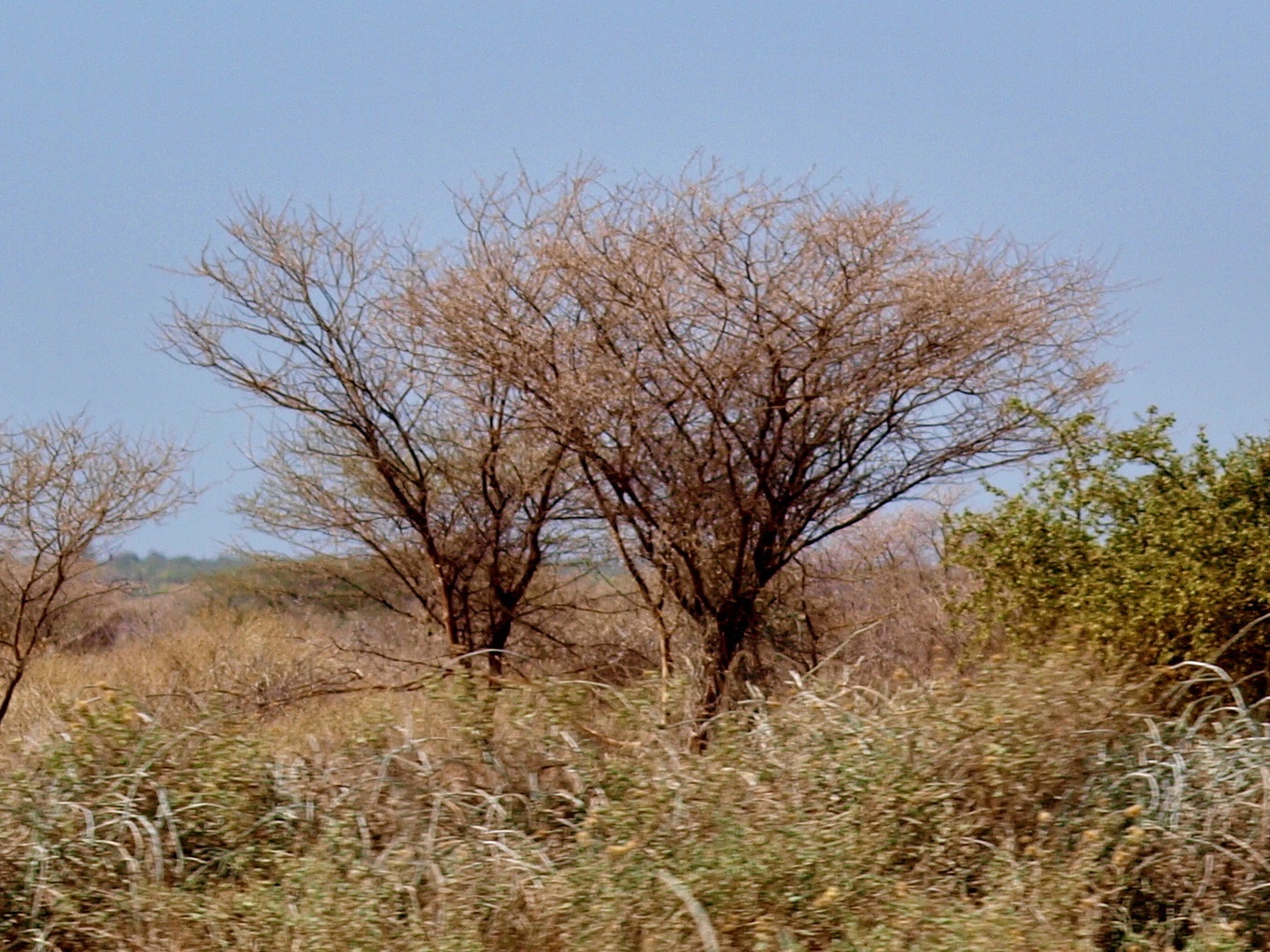
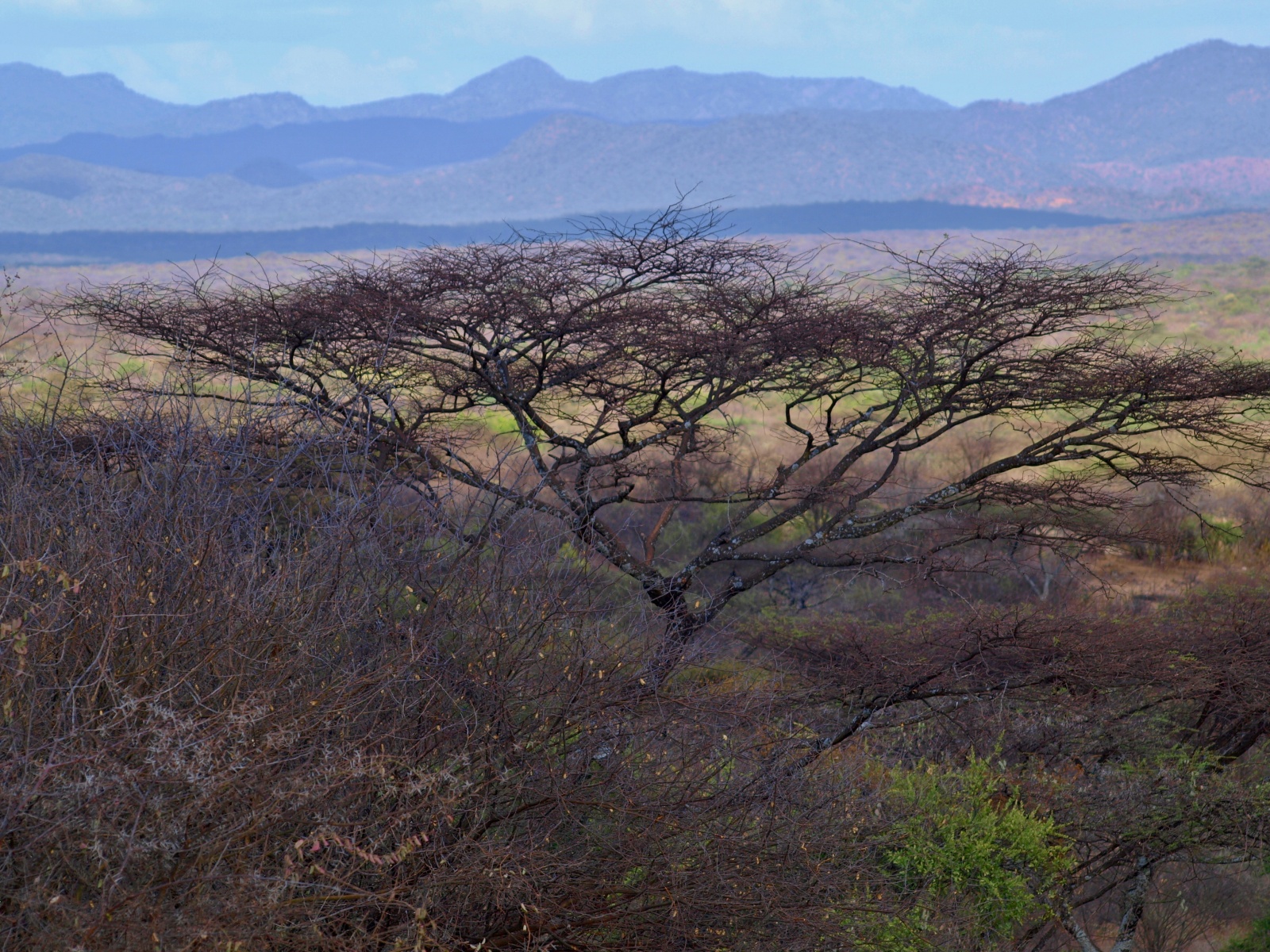
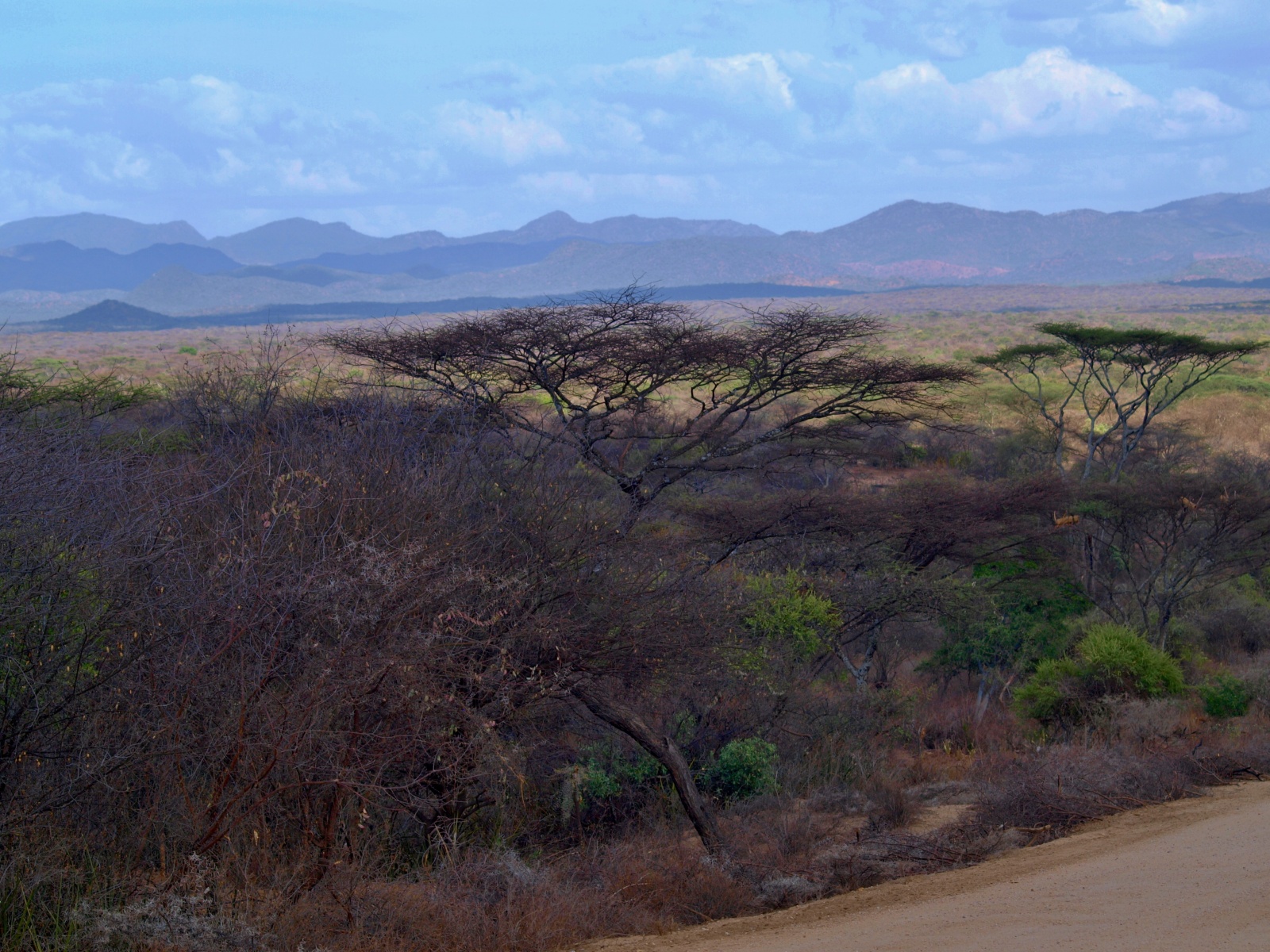
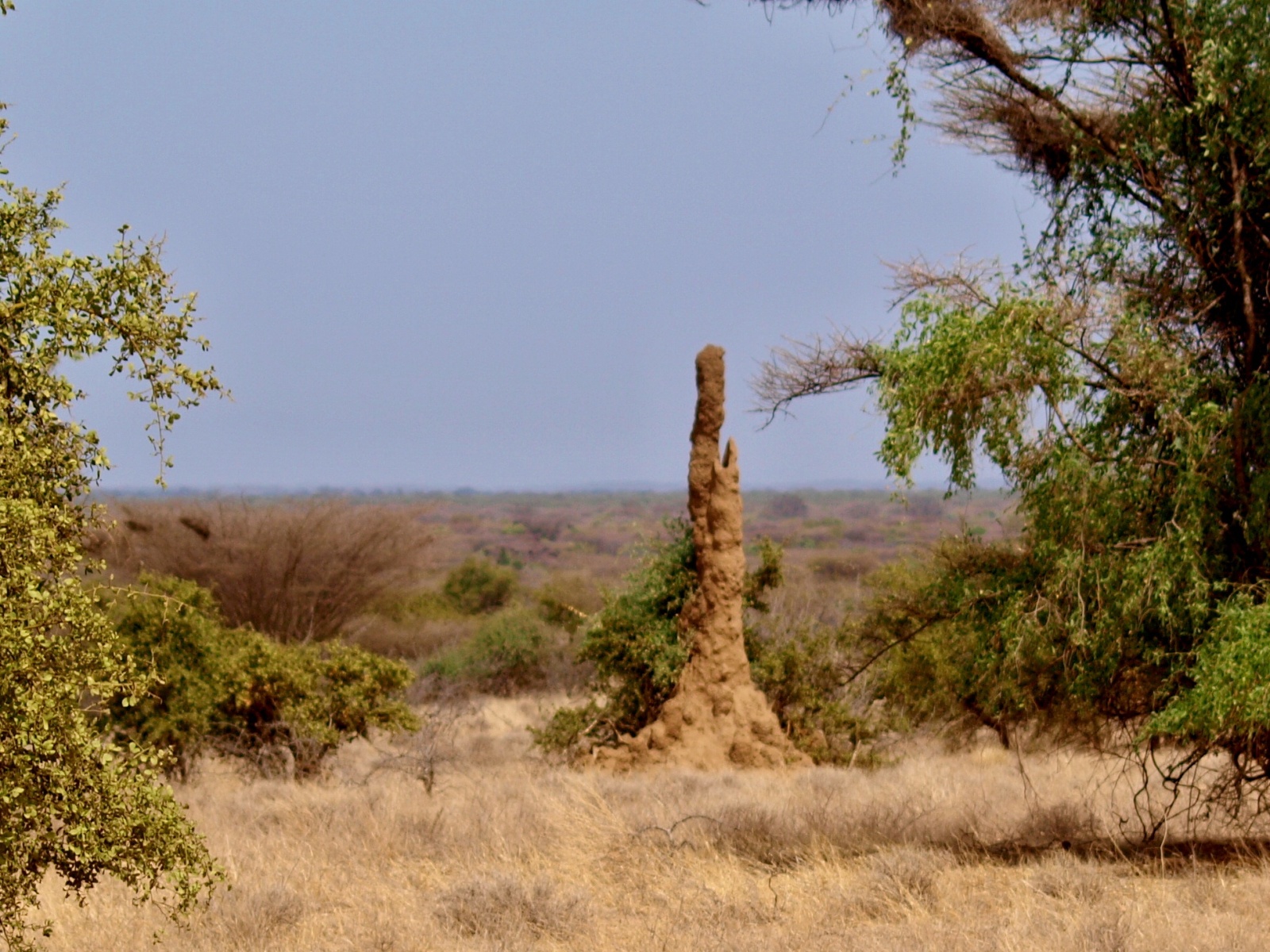
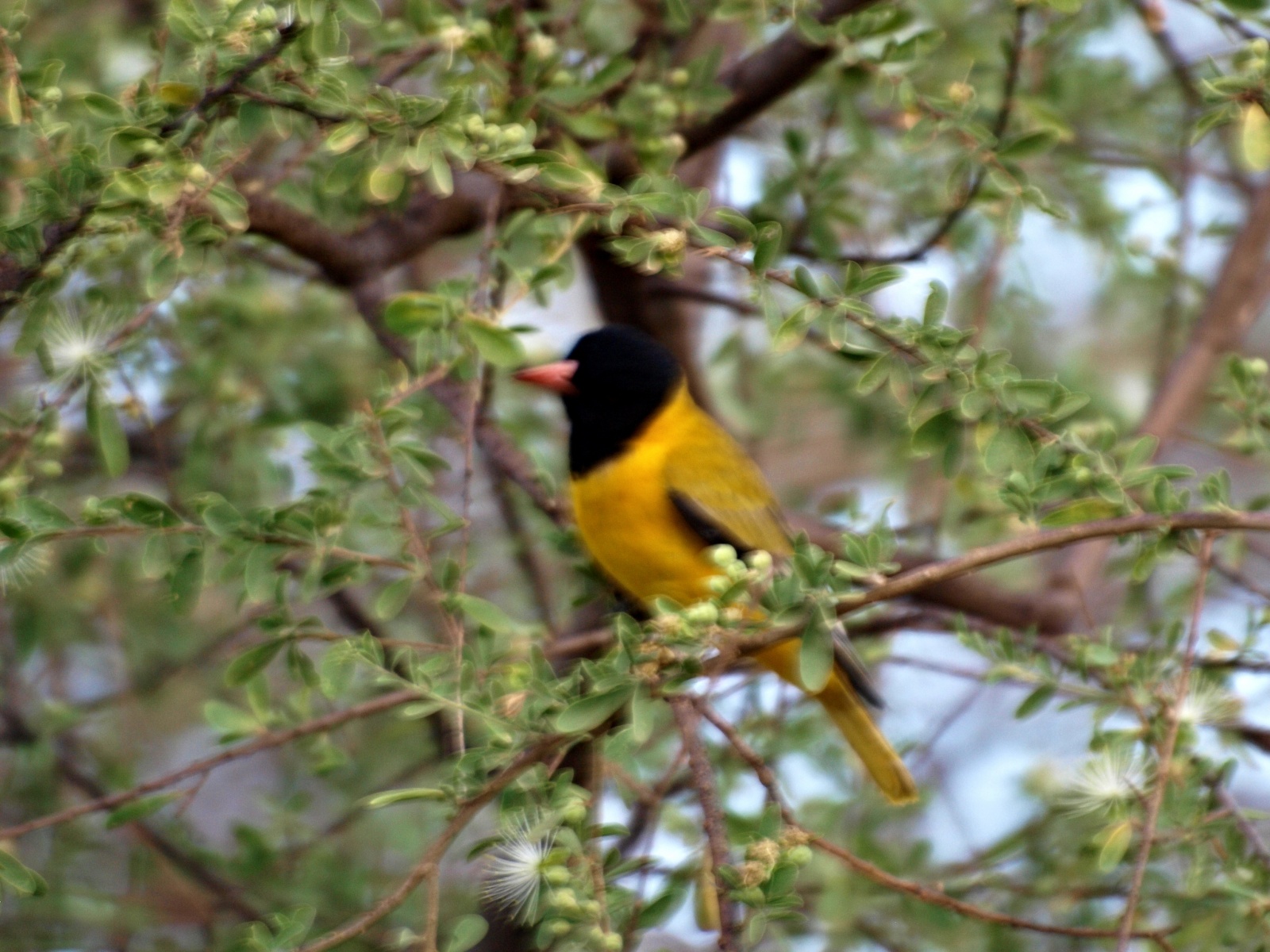
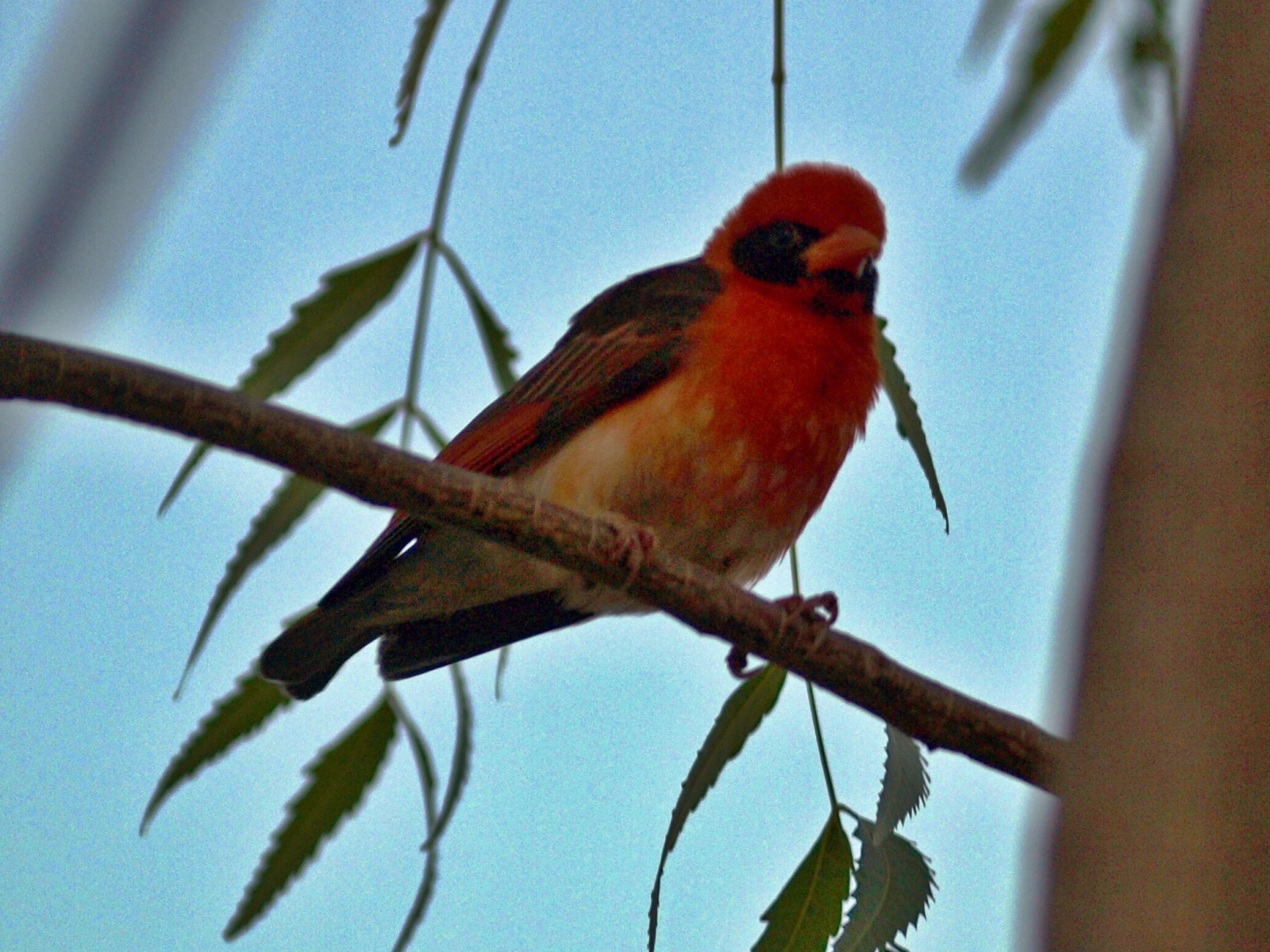
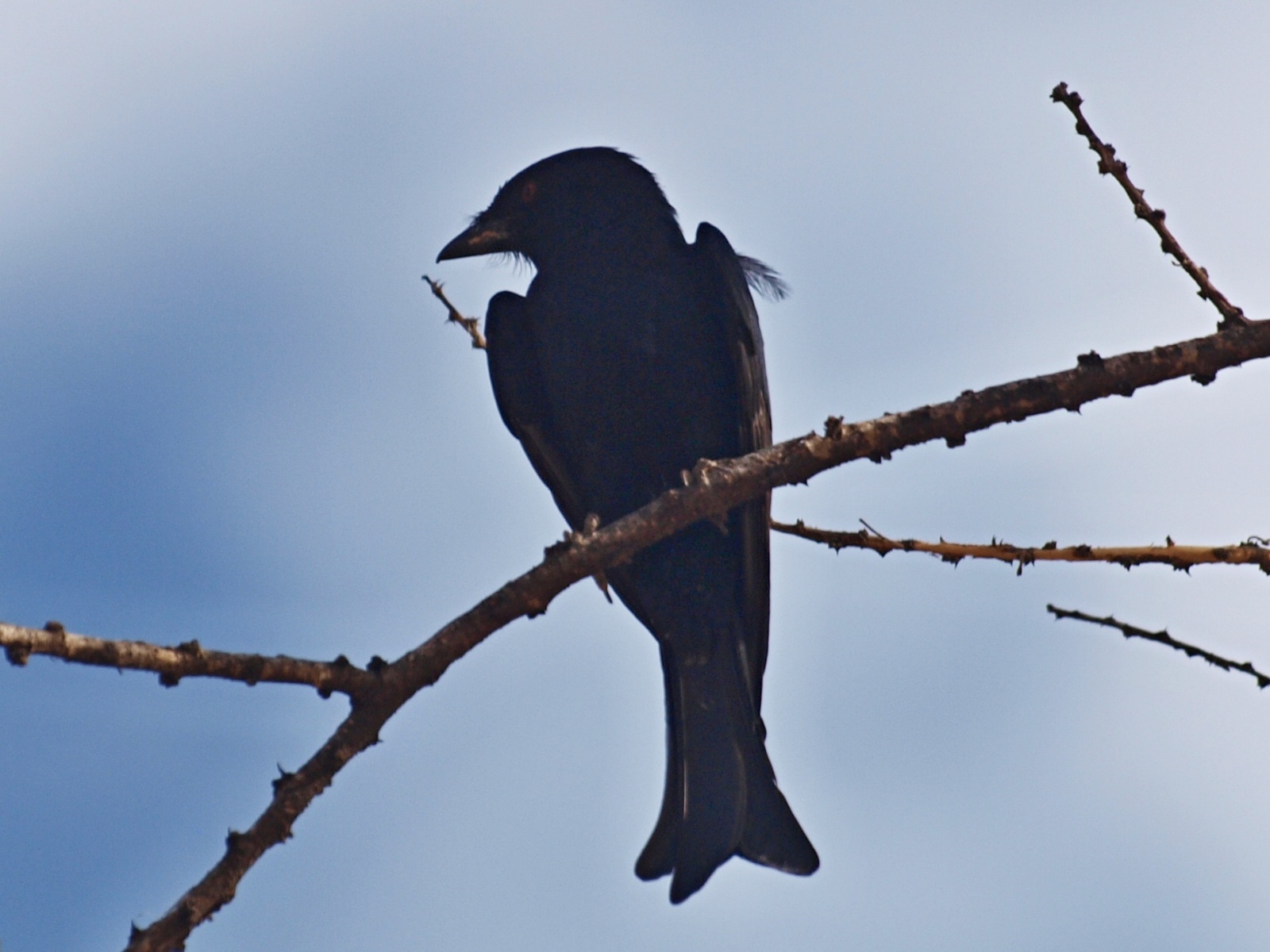
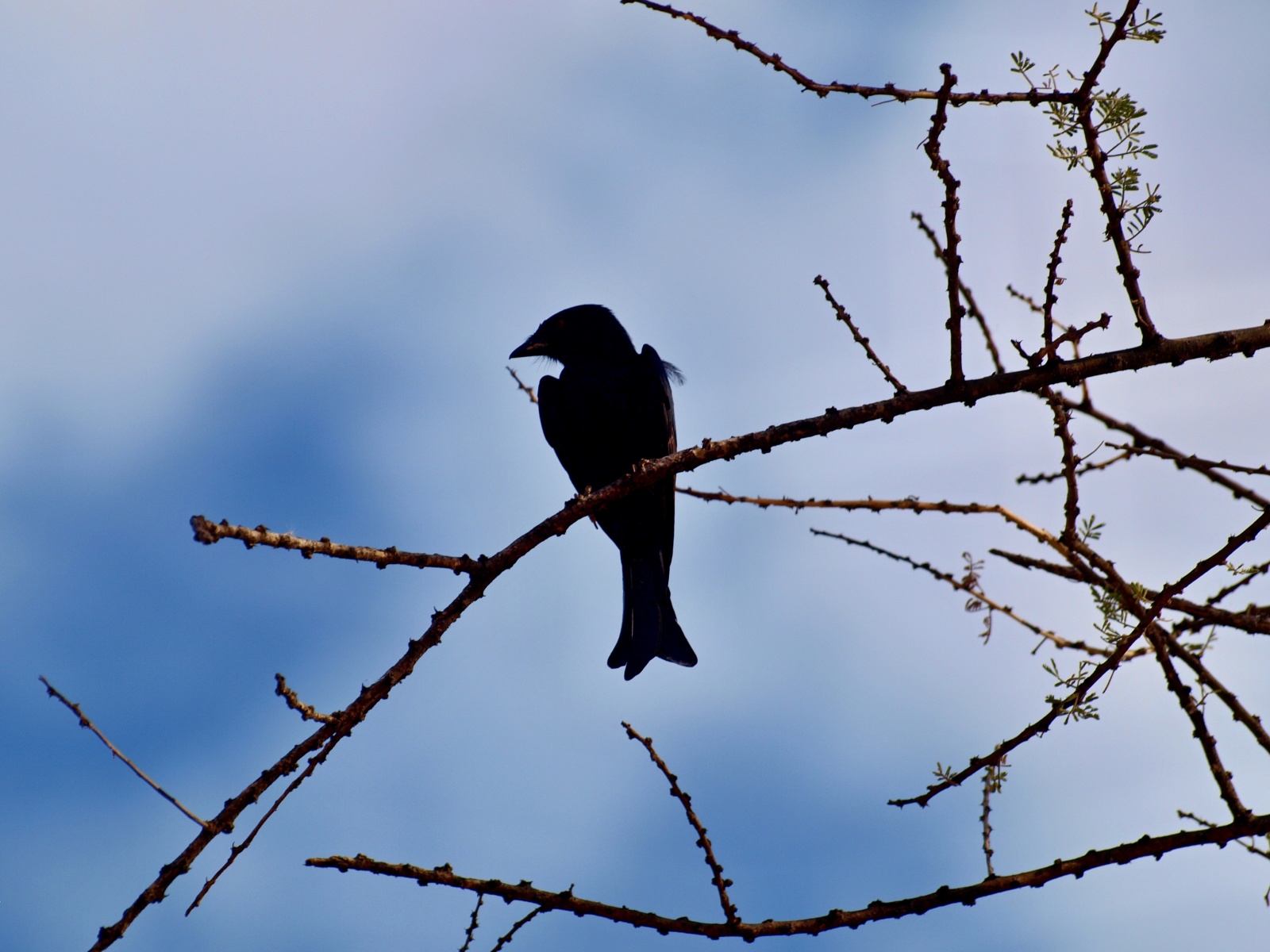
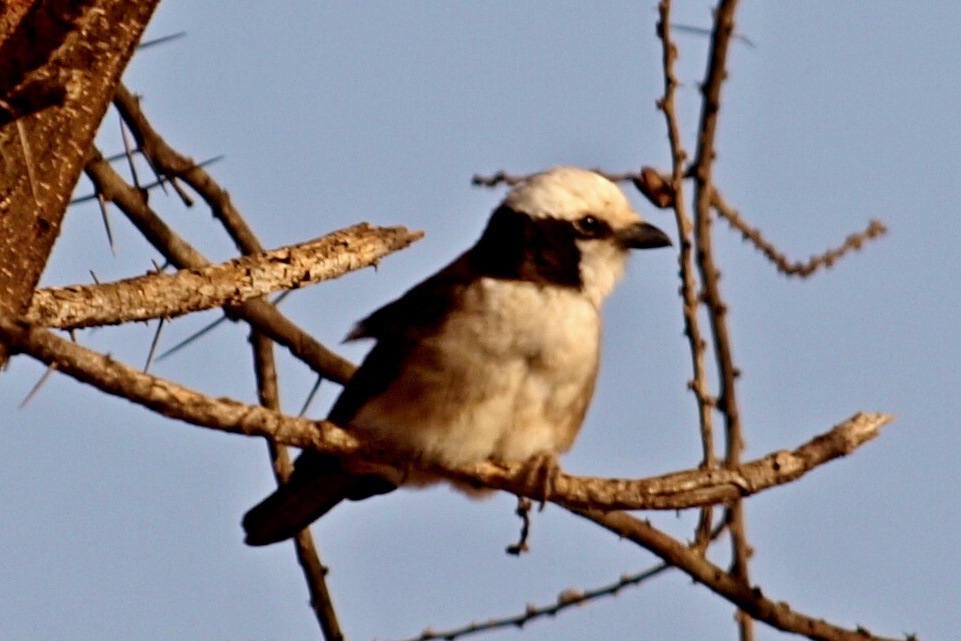
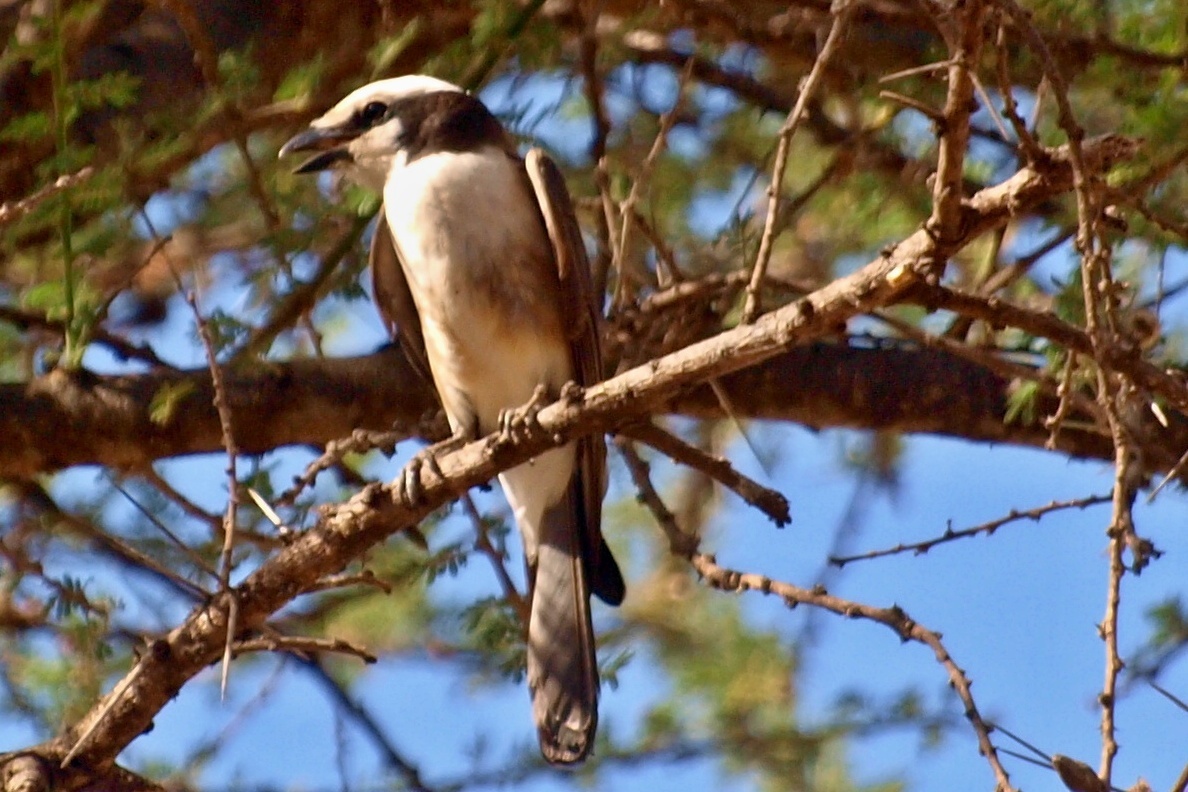
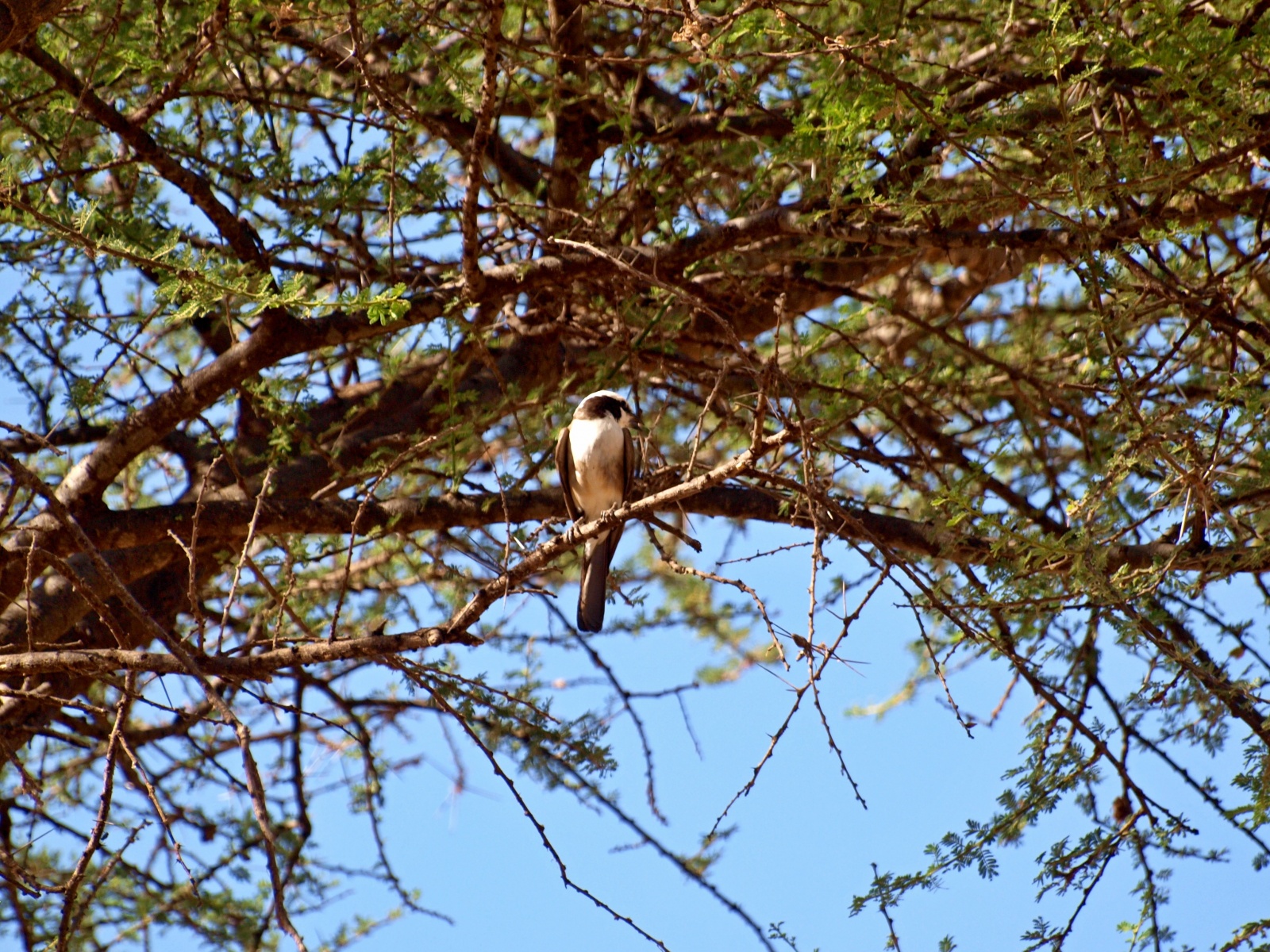
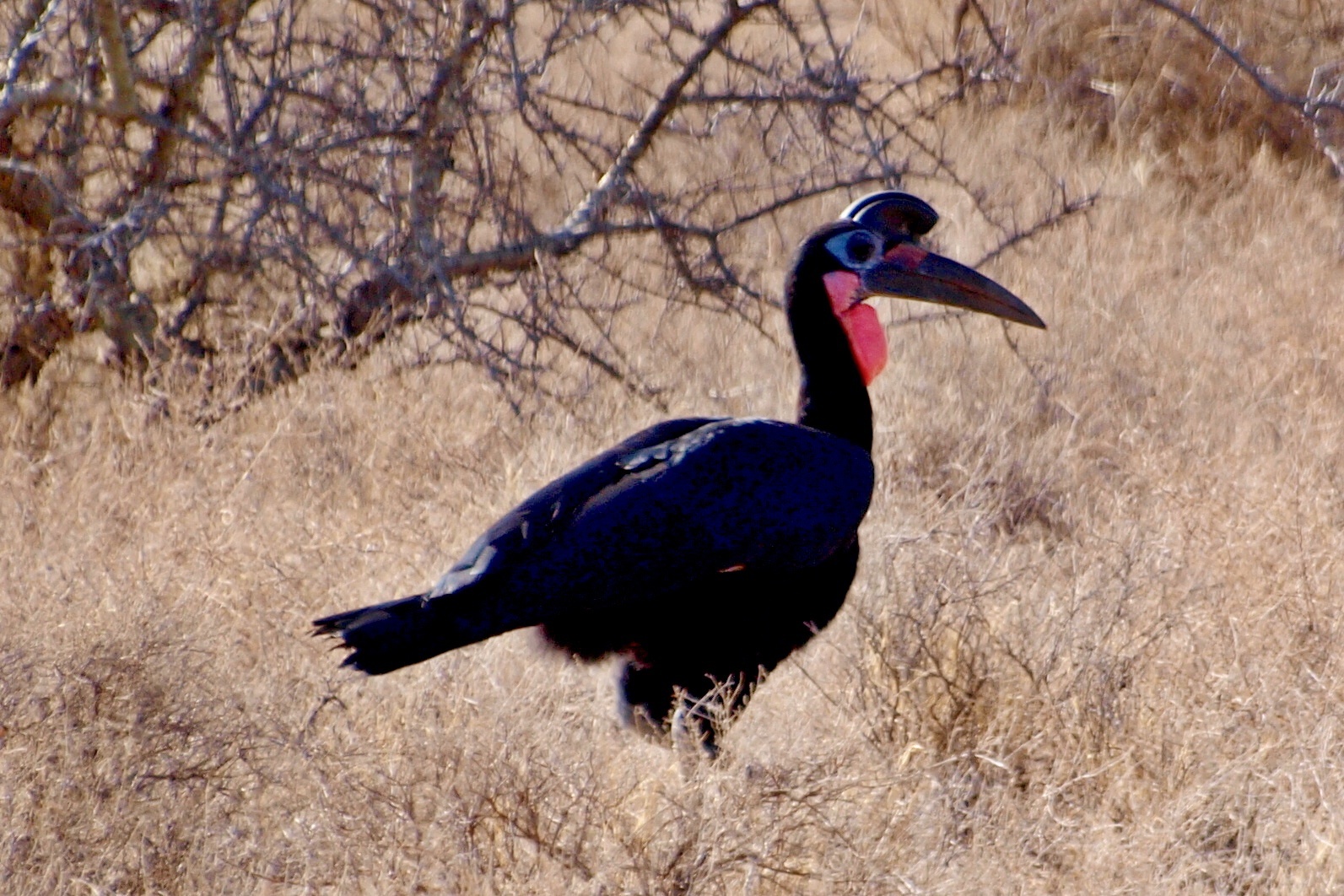
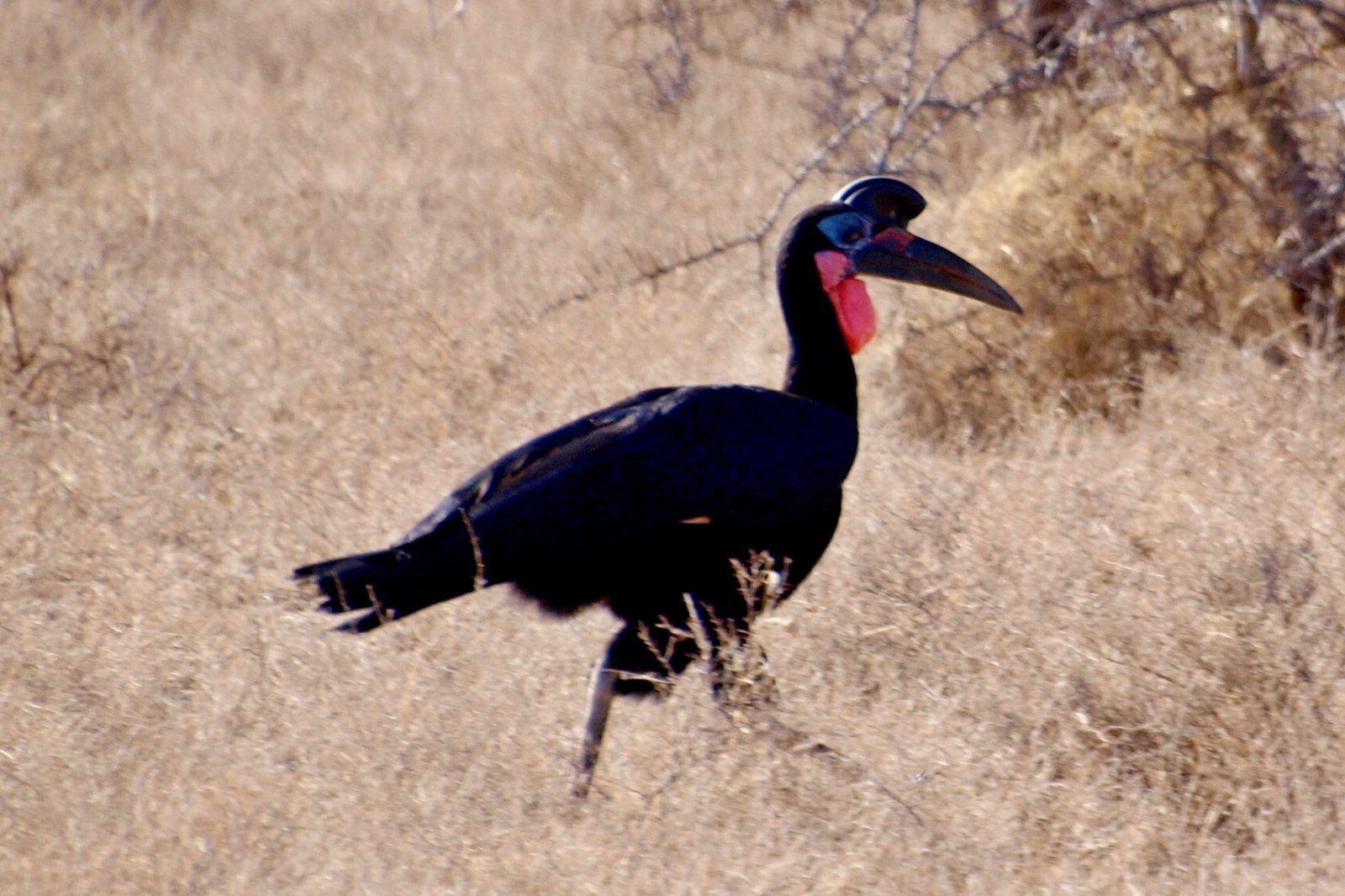
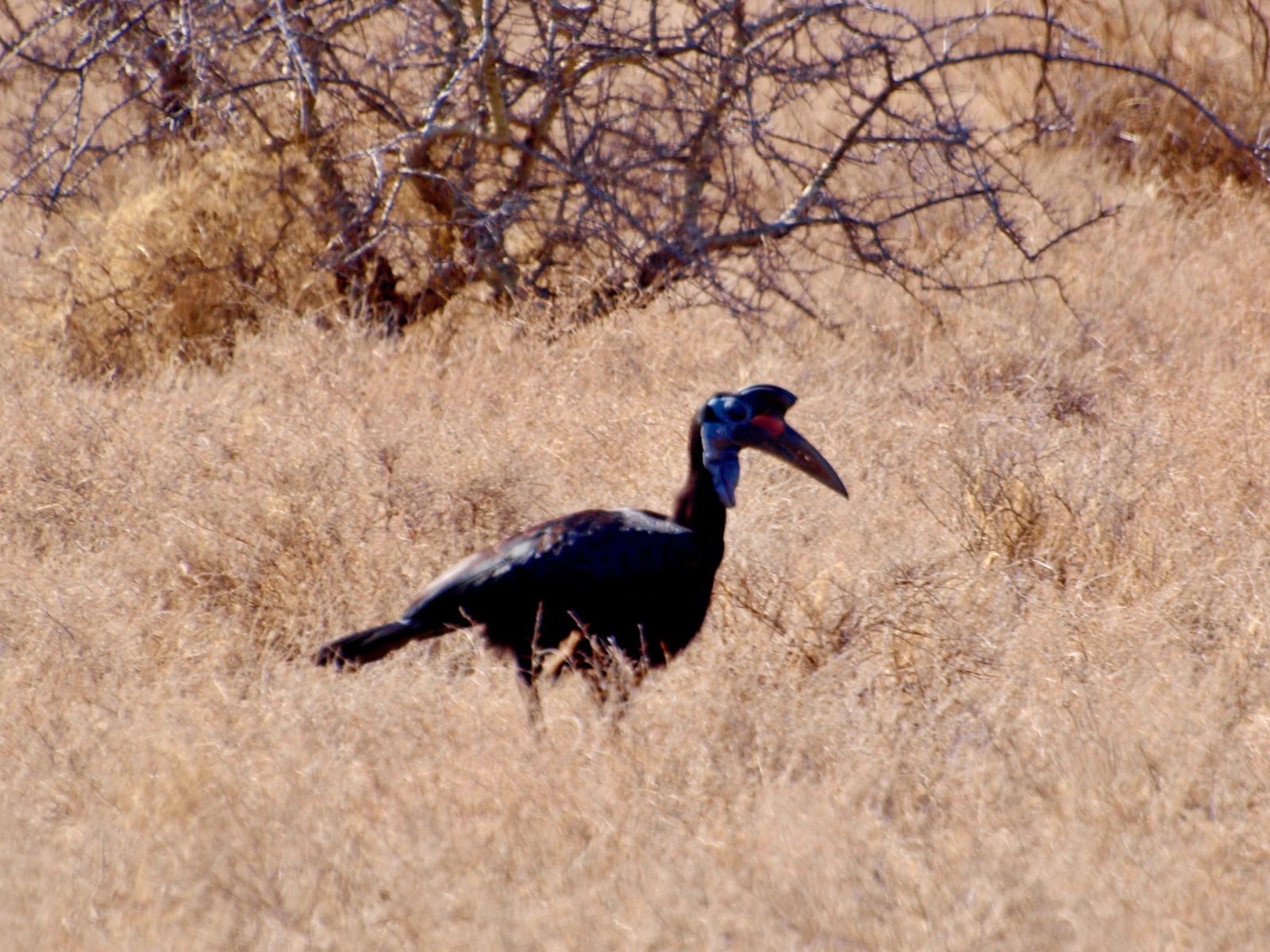
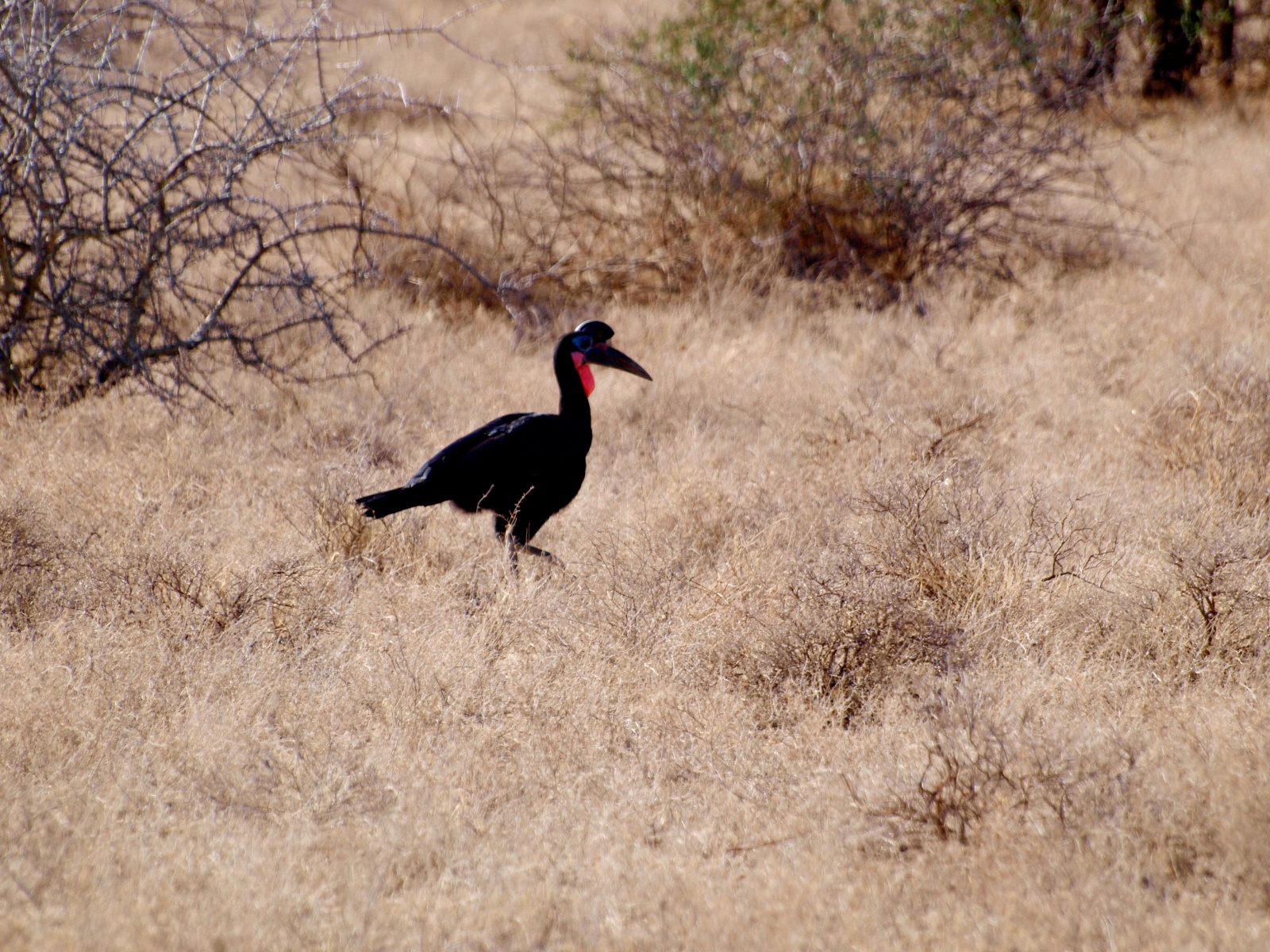
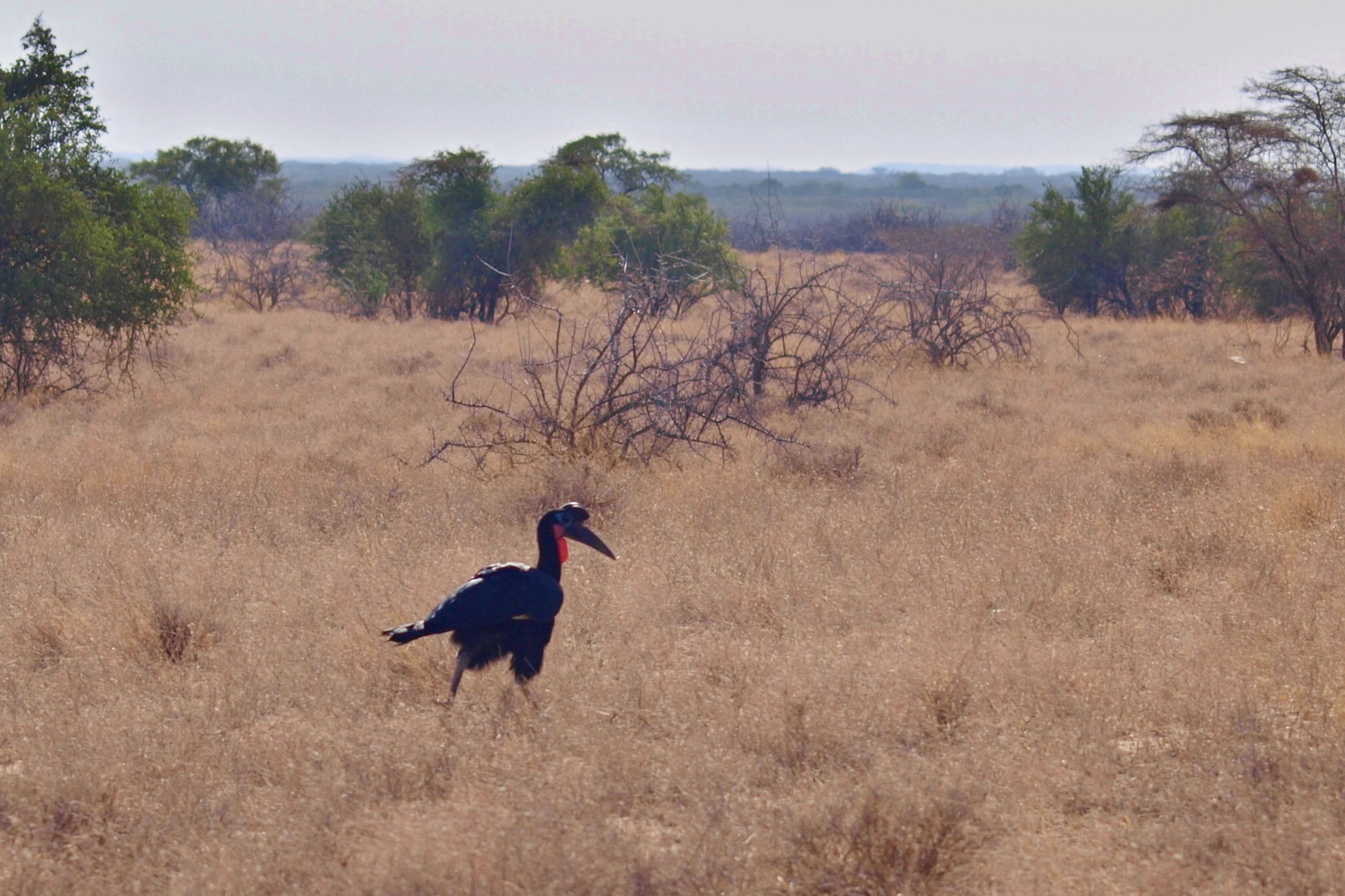
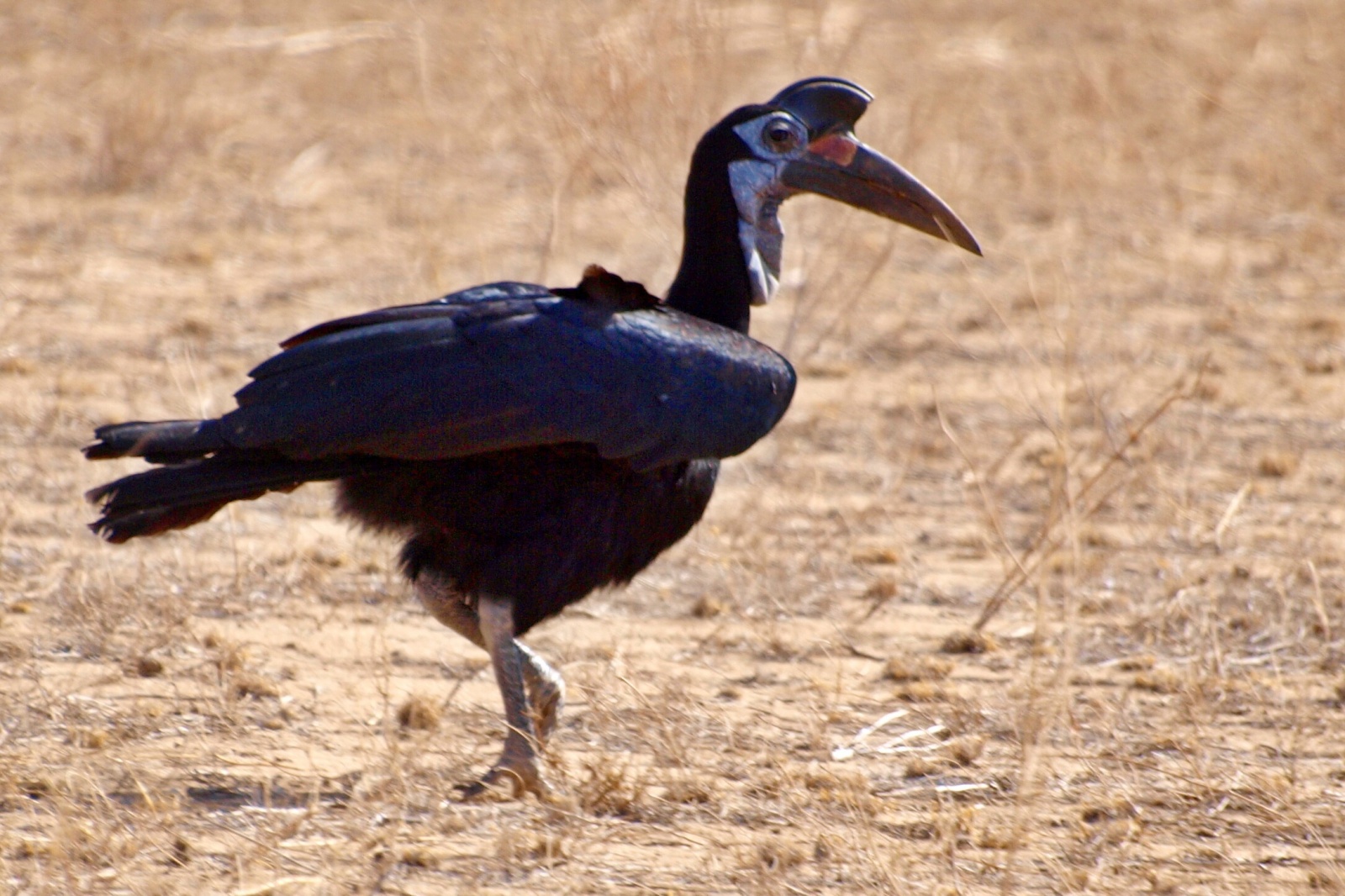
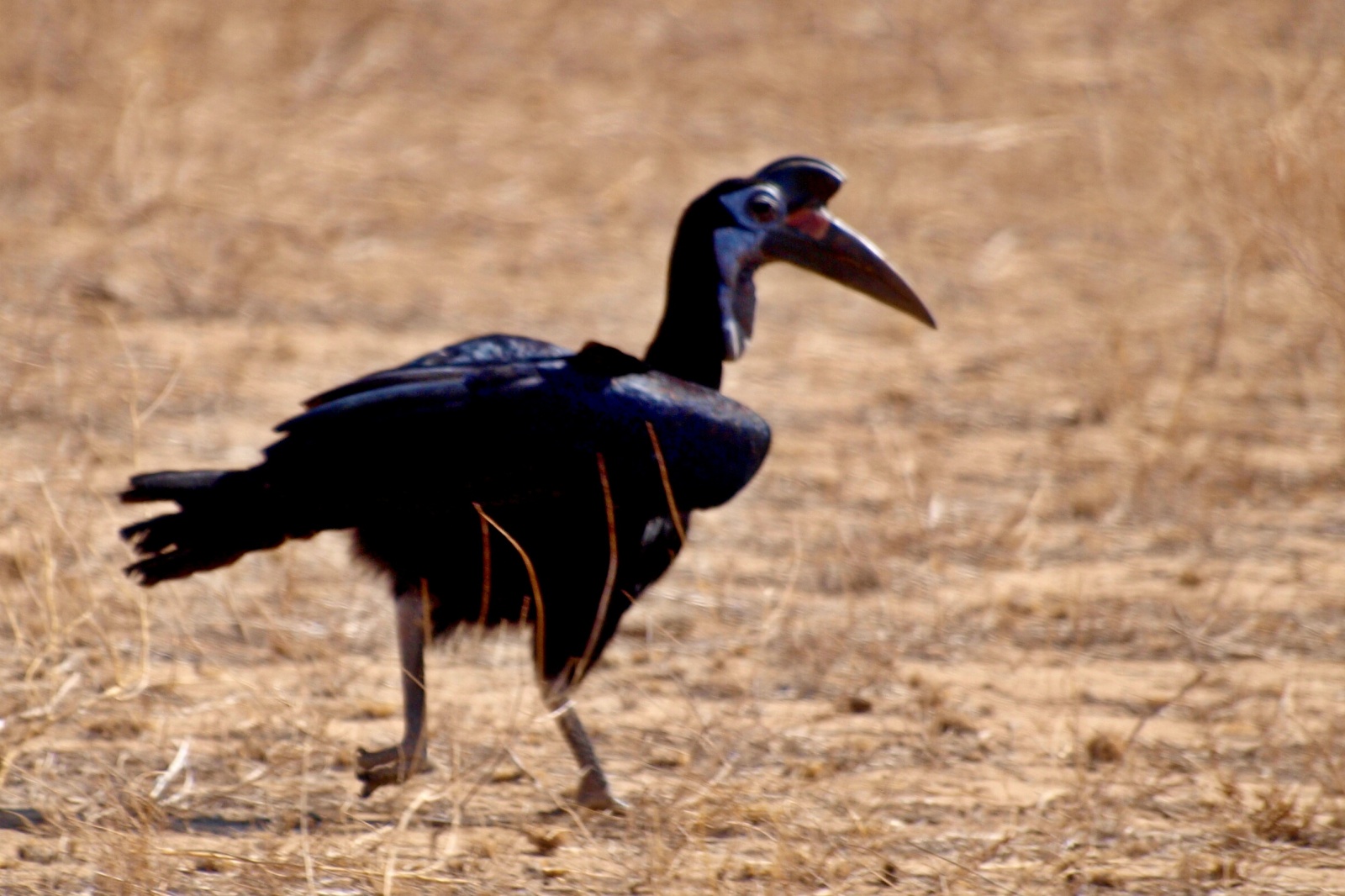
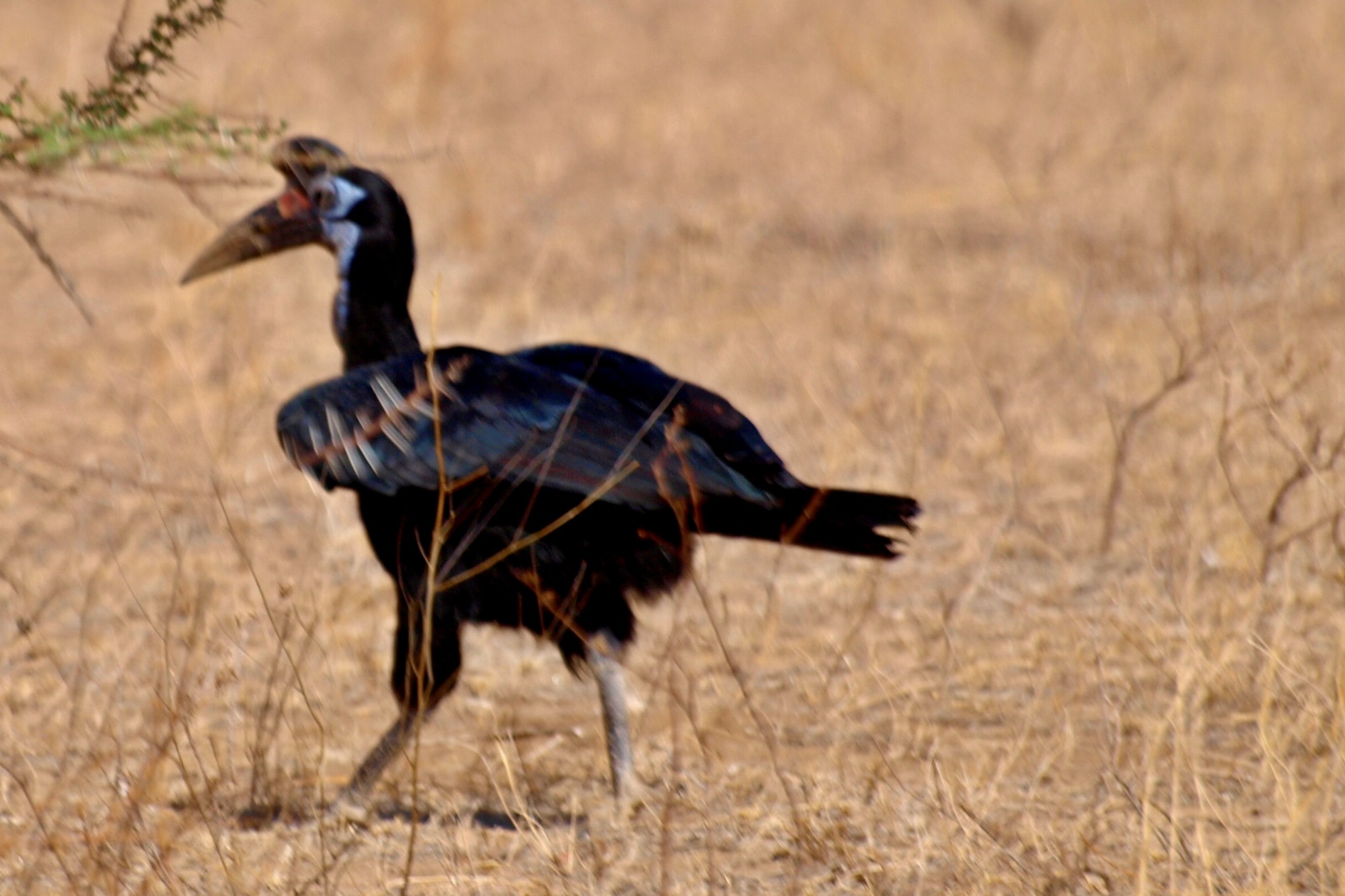
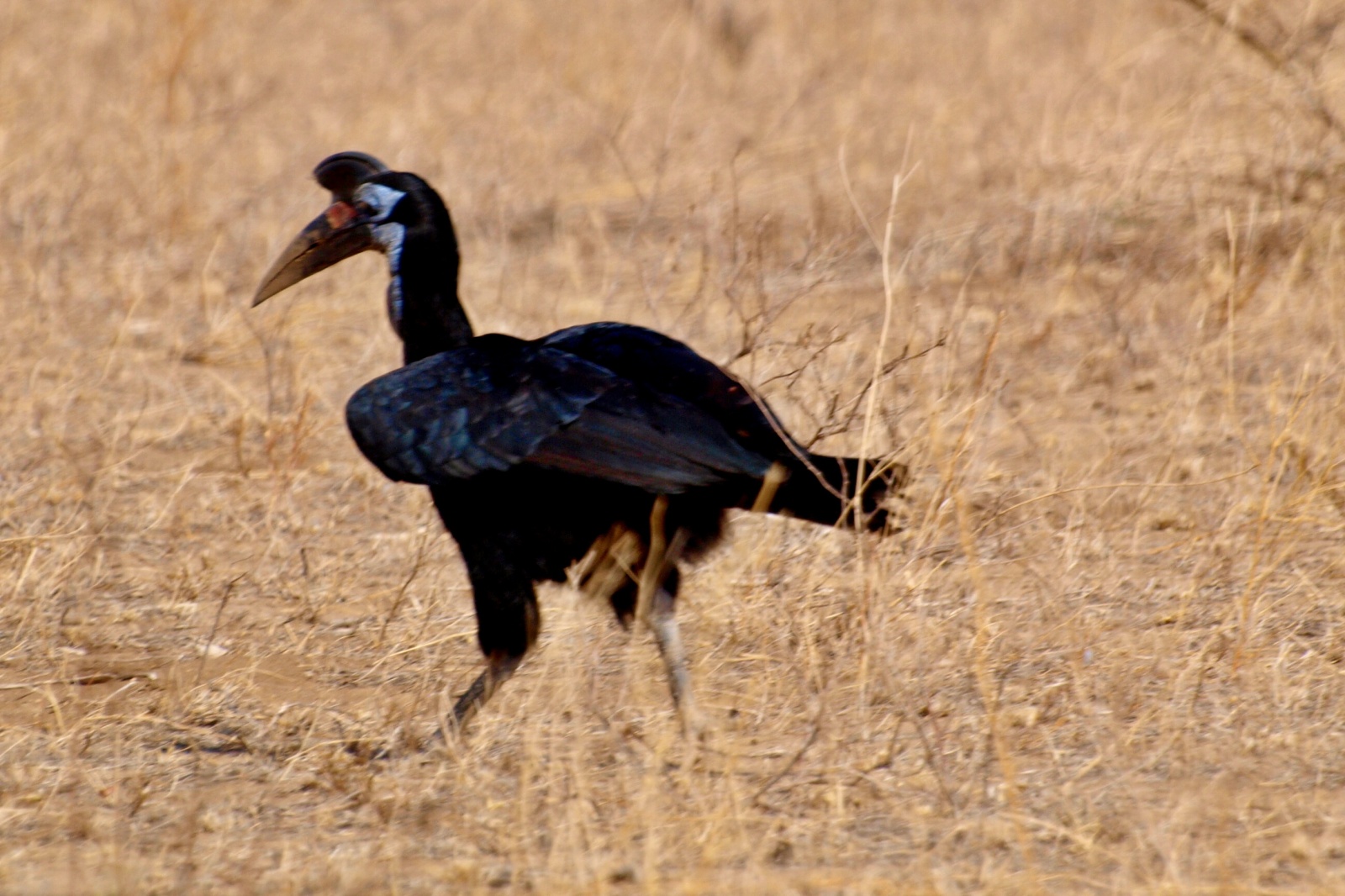
Photogallery of pictures taken during journeys and expeditions to lower Omo River Region and to Lake Turkana (Ethiopia).
The Omo River is an important river of southern Ethiopia. Its course is entirely contained within the boundaries of Ethiopia, and empties into Lake Turkana on the border with Kenya. It is the principal stream of an endorheic drainage basin; the part that the Omo drains includes part of the western Oromia Region and the middle of the Southern Nations, Nationalities. This river rises in the Shewan highlands and is a perennial river. Its course is generally to the south.
The Omo River formed the eastern boundaries for the former kingdoms of Janjero, and Garo. The Omo also flows past the Mago and Omo National Parks, which are known for their wildlife. Many animals live near and on the river.
The lower valley of the Omo is currently believed by some to have been a crossroads for thousands of years as various cultures and ethnic groups migrated around the region. To this day, the people of the Lower Valley of the Omo, including the Mursi, Suri, Nyangatom, Dizi and Me'en, are studied for their diversity.
Lake Turkana, formerly known as Lake Rudolf, is a lake in the Kenyan Rift Valley, with its far northern end crossing into Ethiopia. It is the world's largest permanent desert lake and the world's largest alkaline lake. By volume it is the world's fourth-largest salt lake, and among all lakes it ranks 24th. The water is potable, but not palatable. It supports a rich lacustrine wildlife. The climate is hot and very dry.
The rocks of the surrounding area are predominantly volcanic. Central Island is an active volcano, emitting vapour. Outcrops and rocky shores are found on the east and south shores of the lake, while dunes, spits and flats are on the west and north, at a lower elevation.
Three rivers (the Omo, Turkwel and Kerio) flow into the lake, but lacking outflow, its only water loss is by evaporation. Lake volume and dimensions are variable. For example, its level fell by 10 metres between 1975 and 1993.
Due to temperature, aridity and geographic inaccessibility, the lake retains its wild character. Lake Turkana National Parks are now listed as a UNESCO World Heritage Site.
The Lake Turkana area is regarded by many anthropologists as the cradle of humankind due to the abundance of hominid fossils.
If you have any questions to joureys/expeditions to Lower Omo River Region and to Lake Turkana or any comment to a photogallery use the information form attached below.