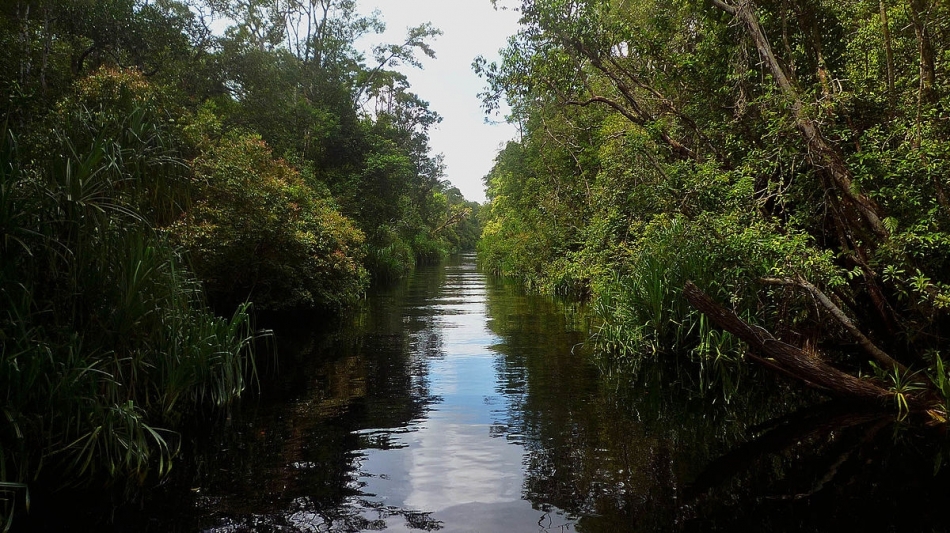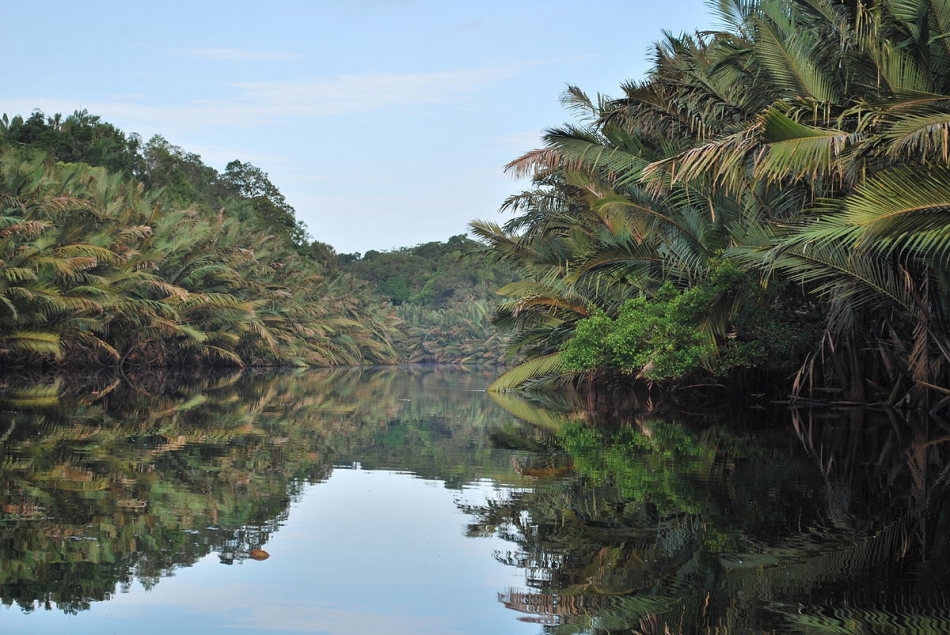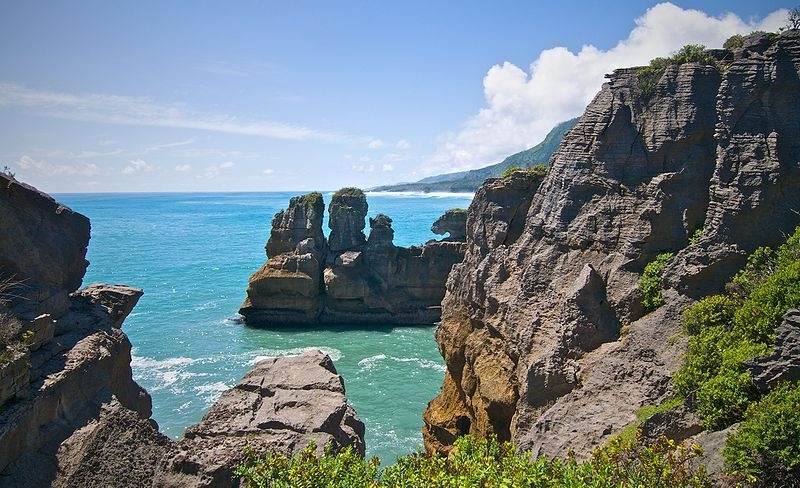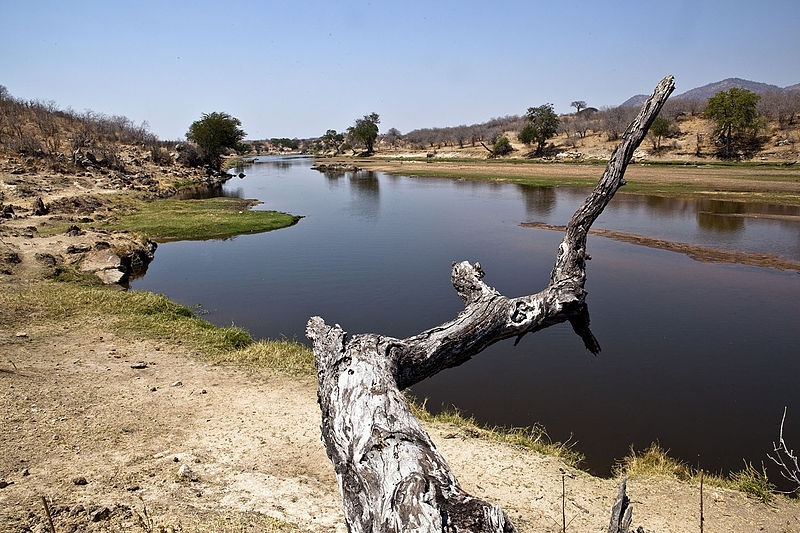
Complete ecotouristic information database on national parks of Australia and Oceania.
Australia is a country comprising the mainland of the Australian continent, the island of Tasmania, and
numerous smaller islands. It is the world's sixth-largest country by total area. Neighbouring countries include Indonesia, East Timor and Papua New Guinea to the north; the Solomon Islands, Vanuatu and New Caledonia to the north-east; and New Zealand to the south-east.
Australia's landmass of 7,617,930 square kilometres is on the Indo-Australian Plate. Surrounded by the Indian and Pacific oceans, it is separated from Asia by the Arafura and Timor seas, with the Coral Sea lying off the Queensland coast, and the Tasman Sea lying between Australia and New Zealand. The world's smallest continent and sixth largest country by total area. Australia has 34,218 kilometres of coastline (excluding all offshore islands).
The Great Barrier Reef, the world's largest coral reef, lies a short distance off the north-east coast and extends for over 2,000 kilometres. Mount Augustus, claimed to be the world's largest monolith, is located in Western Australia. At 2,228 metres, Mount Kosciuszko on the Great Dividing Range is the highest mountain on the Australian mainland.
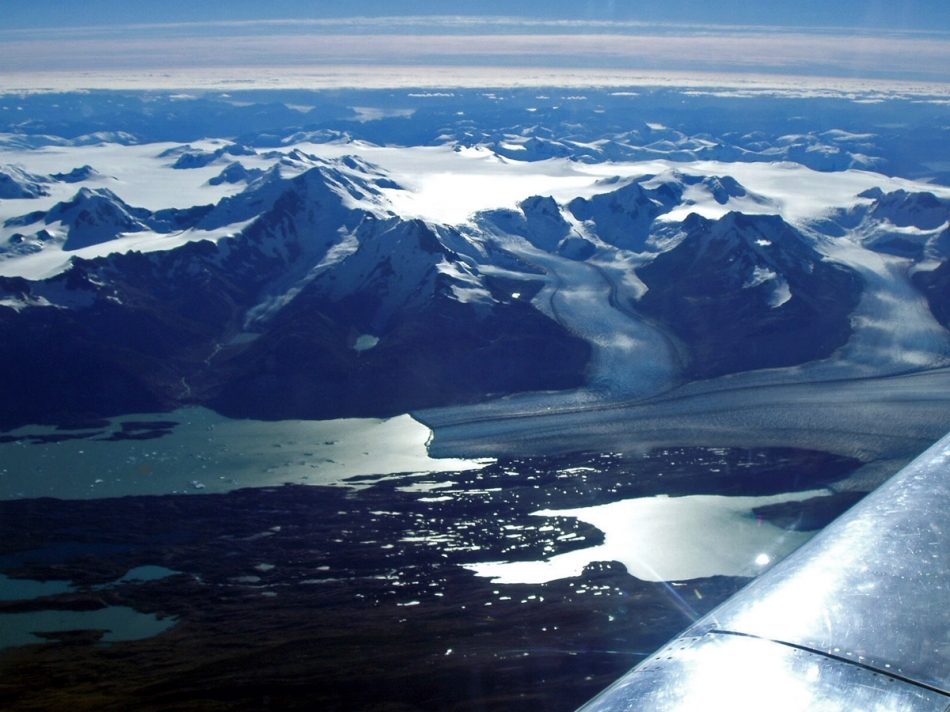
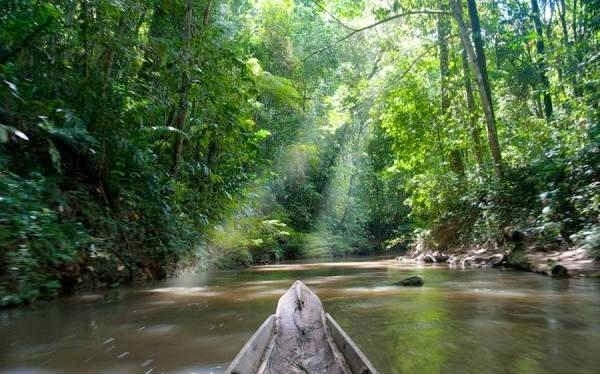
Australia's size gives it a wide variety of landscapes, with tropical rainforests in the north-east, mountain ranges in the south-east, south-west and east, and dry desert in the centre. It is the flattest continent, with the oldest and least fertile soils; desert or semi-arid land commonly known as the outback makes up by far the largest portion of land. The driest inhabited continent, only its south-east and south-west corners have a temperate climate. The population density, 2.8 inhabitants per square kilometre, is among the lowest in the world, although a large proportion of the population lives along the temperate south-eastern coastline.
Eastern Australia is marked by the Great Dividing Range, which runs parallel to the coast of Queensland, New South Wales and much of Victoria. The name is not strictly accurate, because parts of the range consist of low hills, and the highlands are typically no more than 1,600 metres in height. The coastal uplands and a belt of Brigalow grasslands lie between the coast and the mountains, while inland of the dividing range are large areas of grassland. These include the western plains of New South Wales, and areas of inland Queensland. The northernmost point of the east coast is the tropical-rainforested Cape York Peninsula.
The landscapes of the northern part of the country—the Top End and the Gulf Country behind the Gulf of
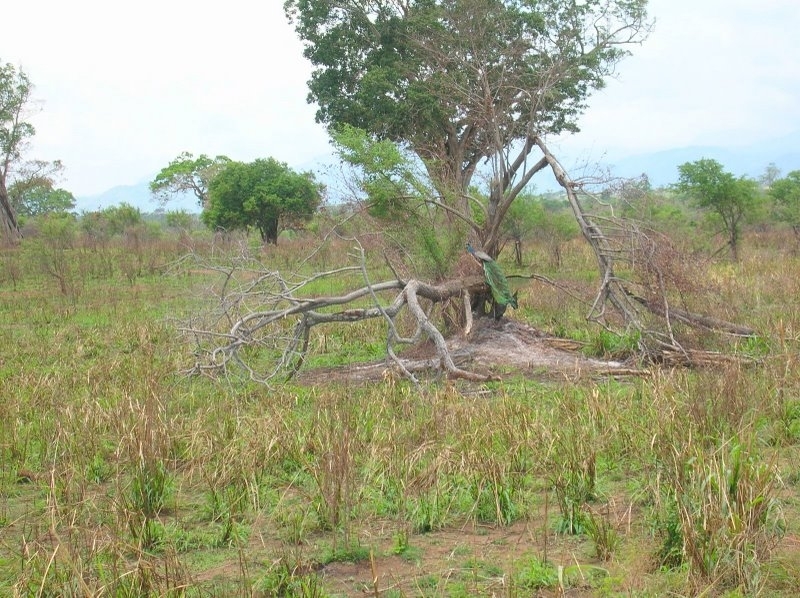
Carpentaria, with their tropical climate—consist of woodland, grassland, and desert. At the north-west corner of the continent are the sandstone cliffs and gorges of The Kimberley, and below that the Pilbara. To the south of these and inland, lie more areas of grassland and shrublands. At the heart of the country are the uplands of central Australia; prominent features of the centre and south include the inland deserts, with the famous Nullarbor Plain on the southern coast.
The climate of Australia is significantly influenced by ocean currents. These factors cause rainfall to vary markedly from year to year. Much of the northern part of the country has a tropical, predominantly summer-rainfall (monsoon) climate. The southwest corner of the country has a Mediterranean climate. Much of the southeast (including Tasmania) is temperate.
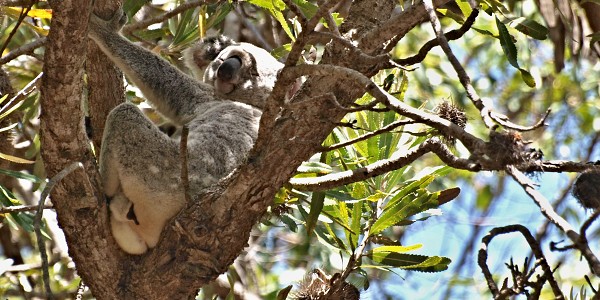
Because of the continent's great age, extremely variable weather patterns, and long-term geographic isolation, much of Australia's biota is unique and diverse. Approximately 85% of flowering plants, 84% of mammals, more than 45% of birds, and 89% of in-shore, temperate-zone fish are endemic. Australia has the greatest number of reptiles of any country, with 755 species.
Oceania is a region centred on the islands of the tropical Pacific Ocean. Opinions of what constitutes Oceania range from its three subregions of Melanesia, Micronesia, and Polynesia to, more broadly, the entire insular region between Asia and the Americas.
Biogeographically, Oceania is used as a synonym for either the Australasian ecozone (Wallacea and Australasia) or the Pacific ecozone (Melanesia, Polynesia, and Micronesia apart either from New Zealand or from mainland New Guinea).
Do you think about a visit to this unique and remote continent? Then - you can use our ecotouristic database.
Detailed information.
If you expect to visit to unique national parks of Australia and/or Oceania, you can continue further to any particular country of this continent. Available is still databases of New Zealand national parks. Further countries information will come soon. If you have any question or request you can send it by attached Informative Form.